🐔 Looking for More Breed Comparisons?
This guide is part of our complete Chicken Breeds Hub, where you can compare the best breeds for eggs, beginners, cold weather, hot climates, dual-purpose flocks, and more.
❄️ Why Some Chickens Handle Winter Better Than Others
Not every chicken responds to cold weather the same way. While most healthy chickens tolerate surprisingly low temperatures, certain breeds are naturally better equipped for winter because of their body shape, feather density, comb size, and overall hardiness.
Breeds that originated in northern climates often develop dense feathering, heavier body mass, and smaller combs that reduce the risk of frostbite. These characteristics help conserve body heat while allowing the birds to remain active and productive even during extended periods of cold weather.
Cold-hardy breeds also tend to continue laying eggs more consistently throughout winter when given adequate nutrition, fresh water, and proper coop ventilation. Although shorter daylight hours naturally reduce egg production, choosing the right breed can make a noticeable difference.
Whether you live in Minnesota, Michigan, Maine, Colorado, or any region that experiences freezing winters, selecting the right breed is one of the best decisions you can make before starting your flock.
🏆 Backyard Chicken Planner Winter Ratings
Our Winter Ratings compare breeds using characteristics that matter most during freezing weather. Instead of focusing only on egg production, we evaluate how well each breed handles the complete winter season.
| Breed | Winter Score | Frostbite Resistance | Winter Egg Production | Overall Recommendation |
|---|---|---|---|---|
| Australorp | 98 / 100 | ★★★★★ | ★★★★★ | ⭐⭐⭐⭐⭐ |
| Wyandotte | 97 / 100 | ★★★★★ | ★★★★☆ | ⭐⭐⭐⭐⭐ |
| Buff Orpington | 96 / 100 | ★★★★★ | ★★★★☆ | ⭐⭐⭐⭐⭐ |
| Plymouth Rock | 95 / 100 | ★★★★★ | ★★★★☆ | ⭐⭐⭐⭐⭐ |
| Rhode Island Red | 94 / 100 | ★★★★☆ | ★★★★★ | ⭐⭐⭐⭐☆ |
| Sussex | 92 / 100 | ★★★★☆ | ★★★★☆ | ⭐⭐⭐⭐☆ |
| Easter Egger | 91 / 100 | ★★★★☆ | ★★★★☆ | ⭐⭐⭐⭐☆ |
| Leghorn | 82 / 100 | ★★★☆☆ | ★★★★★ | ⭐⭐⭐☆☆ |
These ratings are based on practical backyard flock management and consider body size, feather density, comb type, winter laying performance, temperament, and overall cold-weather reliability.
🧊 What Makes a Chicken Cold Hardy?
Several physical characteristics determine whether a breed performs well during winter. Understanding these traits can help you choose the right chickens regardless of where you live.
🪶 Dense Feathering
Thick, fluffy feathers trap warm air close to the bird's body, creating natural insulation. Breeds like Buff Orpingtons and Wyandottes are excellent examples of this adaptation.
🥚 Larger Body Size
Heavier birds lose body heat more slowly than lightweight breeds. Large-bodied chickens generally tolerate cold better than smaller, more active breeds.
🌹 Comb Type
Large single combs are more susceptible to frostbite because they have greater surface area exposed to freezing temperatures. Smaller rose combs or pea combs generally perform better in severe winter conditions.
💨 Proper Coop Ventilation
One of the biggest misconceptions is that chickens need a tightly sealed coop during winter. In reality, moisture is often a greater threat than cold. Proper ventilation removes humid air that can contribute to frostbite while still protecting birds from direct drafts.
⭐ Our Top Winter Recommendations
| Category | Recommended Breed |
|---|---|
| Best Overall | Australorp |
| Best Extreme Cold Breed | Wyandotte |
| Best Family Chicken | Buff Orpington |
| Best Winter Egg Layer | Rhode Island Red |
| Best Heritage Breed | Plymouth Rock |
| Best Budget Choice | Rhode Island Red |
Each of these breeds has earned its recommendation for a different reason. In the detailed breed profiles below, we'll explain what makes each one excel during winter and how to choose the best fit for your backyard flock.
🐔 Detailed Cold Weather Breed Profiles
The breeds below are some of the strongest choices for cold climates. Each one offers a different balance of winter hardiness, egg production, temperament, and backyard usefulness.
🥇 Australorp
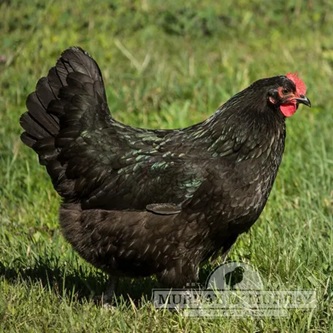
| Winter Quick Facts | Details |
|---|---|
| Winter Score | 98 / 100 |
| Eggs Per Year | 250–300 |
| Egg Color | Brown |
| Mature Weight | 6–8 lbs |
| Temperament | Calm and friendly |
| Cold Hardiness | Excellent |
| Best For | Cold climates, families, beginners |
Australorps are one of the best overall chickens for cold weather because they combine dense feathering, dependable egg production, and a calm temperament. They handle winter well and are still easy enough for first-time chicken keepers to manage.
They are especially useful for backyard owners who want a bird that performs well in several categories instead of excelling in only one area.
❄️ Wyandotte
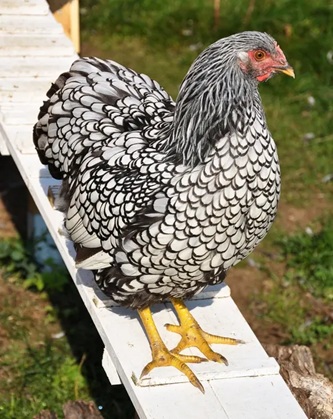
| Winter Quick Facts | Details |
|---|---|
| Winter Score | 97 / 100 |
| Eggs Per Year | 200–260 |
| Egg Color | Brown |
| Mature Weight | 6–8 lbs |
| Temperament | Calm and independent |
| Cold Hardiness | Excellent |
| Best For | Northern climates and snowy areas |
Wyandottes are outstanding cold-weather chickens. Their dense feathering and sturdy bodies make them well suited for freezing temperatures, and many varieties have smaller combs that reduce frostbite risk compared with large-combed breeds.
They are also beautiful birds, making them a favorite for backyard keepers who want both practicality and appearance.
🐥 Buff Orpington
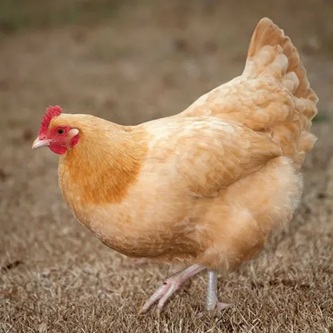
| Winter Quick Facts | Details |
|---|---|
| Winter Score | 96 / 100 |
| Eggs Per Year | 200–280 |
| Egg Color | Light brown |
| Mature Weight | 7–10 lbs |
| Temperament | Very gentle |
| Cold Hardiness | Excellent |
| Best For | Families and cold backyard flocks |
Buff Orpingtons are large, fluffy chickens that handle cold weather extremely well. Their heavy bodies and thick feathering help them stay warm during winter, and their calm personalities make them one of the easiest breeds for families to enjoy.
The main caution is heat. Buff Orpingtons are better suited to cold climates than very hot ones, so owners in warmer regions should provide plenty of shade and ventilation.
🥉 Plymouth Rock
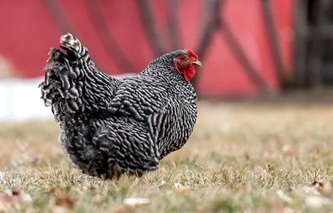
| Winter Quick Facts | Details |
|---|---|
| Winter Score | 95 / 100 |
| Eggs Per Year | 200–280 |
| Egg Color | Brown |
| Mature Weight | 6–8 lbs |
| Temperament | Friendly and dependable |
| Cold Hardiness | Excellent |
| Best For | Cold climates and beginner flocks |
Plymouth Rocks are dependable winter chickens that have been used in American backyard flocks for generations. They are hardy, friendly, and productive enough to remain useful even when temperatures drop.
They are also one of the best cold-weather breeds for beginners because they do not require special handling beyond good feed, clean water, dry bedding, and proper coop ventilation.
❤️ Rhode Island Red
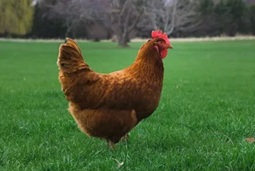
| Winter Quick Facts | Details |
|---|---|
| Winter Score | 94 / 100 |
| Eggs Per Year | 250–300 |
| Egg Color | Brown |
| Mature Weight | 6–8 lbs |
| Temperament | Confident & Active |
| Comb Type | Single Comb |
| Cold Hardiness | Very Good |
| Best For | Reliable winter egg production |
Rhode Island Reds have been one of America's favorite backyard chickens for over a century, and for good reason. They are exceptionally hardy birds that continue laying well into the winter months when many breeds begin slowing down.
Although their single combs can be slightly more susceptible to frostbite than rose-combed breeds, good coop ventilation and dry bedding usually prevent problems. Their dependable laying ability often makes them one of the best winter egg producers available.
🐓 Sussex
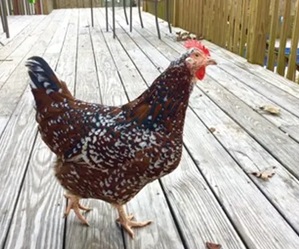
| Winter Quick Facts | Details |
|---|---|
| Winter Score | 92 / 100 |
| Eggs Per Year | 200–250 |
| Egg Color | Light Brown |
| Mature Weight | 6–9 lbs |
| Temperament | Friendly & Curious |
| Cold Hardiness | Very Good |
| Best For | Free-ranging northern flocks |
Sussex chickens remain active during colder weather and are excellent foragers whenever snow cover allows. Their calm personalities and dependable laying make them a favorite among small homesteads.
🥚 Easter Egger
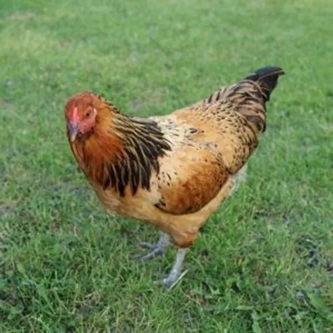
| Winter Quick Facts | Details |
|---|---|
| Winter Score | 91 / 100 |
| Eggs Per Year | 200–280 |
| Egg Color | Blue / Green |
| Mature Weight | 5–6 lbs |
| Temperament | Friendly |
| Cold Hardiness | Very Good |
| Best For | Families wanting colorful eggs |
Easter Eggers perform surprisingly well in many northern climates. Their pea combs help reduce frostbite risk, and their colorful eggs make winter egg collecting much more enjoyable for families.
🤍 Leghorn
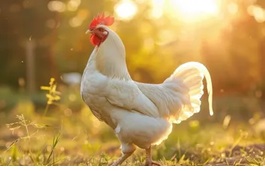
| Winter Quick Facts | Details |
|---|---|
| Winter Score | 82 / 100 |
| Eggs Per Year | 280–320 |
| Egg Color | White |
| Mature Weight | 4–6 lbs |
| Temperament | Active |
| Comb Type | Large Single Comb |
| Cold Hardiness | Moderate |
| Best For | Maximum winter egg production |
Leghorns continue producing impressive numbers of eggs throughout much of the winter, but their large single combs make them more vulnerable to frostbite than heavier breeds.
If you live in an area with severe winters, you'll want to pay close attention to coop ventilation, humidity, and comb health.
🏔️ Best Chickens for Different Winter Conditions
| Situation | Best Choice | Runner-Up |
|---|---|---|
| Heavy Snow | Wyandotte | Australorp |
| Extreme Cold | Australorp | Buff Orpington |
| Best Winter Egg Production | Rhode Island Red | Australorp |
| Best Family Chicken | Buff Orpington | Australorp |
| Lowest Frostbite Risk | Wyandotte | Easter Egger |
| Most Beginner Friendly | Australorp | Plymouth Rock |
🏠 Five Tips for Raising Chickens During Winter
- Keep the coop dry. Moisture causes more problems than cold temperatures.
- Provide proper ventilation. Fresh air removes humidity without creating drafts.
- Increase calories slightly. Chickens burn more energy staying warm.
- Prevent water from freezing. Fresh water is critical year-round.
- Avoid heating the coop. Healthy chickens tolerate cold far better than sudden temperature swings.
If you're planning your first winter flock, our Best Chickens for Beginners, Chicken Coop Size Guide, and Backyard Chicken Flock Planner can help you choose the right breeds and design a coop that keeps your flock comfortable all winter long.
✅ Winter Readiness Checklist
Before winter arrives, use this checklist to help prepare your flock for freezing temperatures.
| Task | Completed |
|---|---|
| Choose a cold-hardy breed. | ☐ |
| Inspect the coop for drafts while maintaining proper ventilation. | ☐ |
| Add clean, dry bedding before cold weather arrives. | ☐ |
| Provide fresh water that won't remain frozen all day. | ☐ |
| Increase feed slightly during periods of extreme cold. | ☐ |
| Collect eggs frequently to prevent freezing. | ☐ |
| Inspect combs and wattles regularly for signs of frostbite. | ☐ |
| Keep snow and ice cleared from coop entrances. | ☐ |
| Review your coop size and ventilation before winter. | ☐ |
🏆 Backyard Chicken Planner Final Verdict
If we could recommend only one chicken breed for cold climates, it would be the Australorp.
Australorps consistently rank near the top because they combine dependable winter egg production, excellent cold hardiness, calm personalities, and beginner-friendly behavior. They're equally at home in a suburban backyard flock or on a small homestead.
If your winters are especially severe with heavy snow and extended periods below freezing, Wyandottes are another outstanding choice thanks to their dense feathering and lower frostbite risk.
Families looking for gentle backyard pets should strongly consider Buff Orpingtons, while those who prioritize dependable winter eggs may prefer Rhode Island Reds.
No matter which breed you choose, success during winter depends on more than genetics. Dry bedding, proper ventilation, fresh water, good nutrition, and a well-designed coop are just as important as selecting a cold-hardy breed.
❓ Frequently Asked Questions
What chicken breed handles cold weather the best?
Australorps, Wyandottes, Buff Orpingtons, Plymouth Rocks, and Rhode Island Reds are among the best breeds for cold climates because they combine hardiness with dependable egg production.
Can chickens survive below freezing?
Yes. Healthy chickens tolerate temperatures well below freezing when they have a dry, draft-free coop with proper ventilation, fresh water, and adequate nutrition.
Should I heat my chicken coop?
In most situations, no. Healthy chickens naturally tolerate cold temperatures. Sudden temperature changes caused by heaters can sometimes create more problems than they solve. Focus on keeping the coop dry and properly ventilated.
Which comb type is best for winter?
Rose combs and pea combs generally have a lower risk of frostbite than large single combs because less tissue is exposed to freezing temperatures.
Do chickens stop laying eggs during winter?
Many chickens slow egg production because of shorter daylight hours rather than cold temperatures alone. Cold-hardy breeds such as Australorps and Rhode Island Reds often continue laying better than many other breeds.