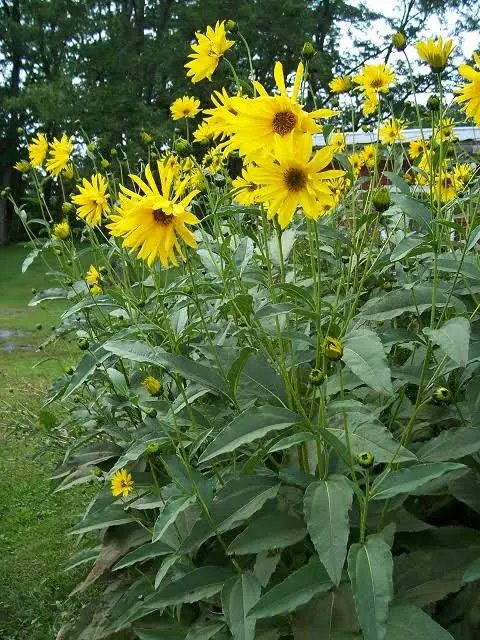
Can Chickens Eat Jerusalem Artichokes? Growing Guide for Chickens
Yes. Chickens can eat clean, sound Jerusalem artichoke tubers as a supplemental food. These cold-hardy perennial plants also provide tall seasonal growth, pollinator flowers, and a renewable underground harvest, but careful placement is essential because overlooked tubers can spread aggressively.
🥔 Can Chickens Eat Jerusalem Artichokes?
Yes. Chickens can eat clean, sound Jerusalem artichoke tubers—also called sunchokes—as a supplemental food. The firm tubers may be offered raw, chopped, grated, crushed, or plain cooked after cooling.
Whole raw tubers may be difficult for chickens to open, so cutting or crushing them usually improves acceptance. Wash away excessive soil, inspect each tuber carefully, and discard any that are moldy, slimy, rotten, chemically contaminated, or foul smelling.
Chickens may also eat plain cooked Jerusalem artichokes. Serve them only after they have cooled and without butter, oils, salt, sugar, milk, sauces, garlic, onions, spices, or other seasonings.
Practical feeding forms include:
- Chopped raw tubers: Cut firm tubers into manageable pieces that expose the moist interior.
- Grated or crushed tubers: Useful when chickens show little interest in large pieces.
- Plain cooked tubers: Offer cooled pieces without added ingredients.
- Mixed garden supplements: Small portions may be combined with other safe vegetables while complete feed remains available.
- Supervised foraging: Chickens may investigate exposed sound tubers in a controlled postharvest area.
The tubers are primarily an energy-oriented food and do not provide enough balanced protein, essential amino acids, calcium, vitamins, or minerals to replace chick starter, grower feed, layer feed, or another complete poultry ration. Introduce them gradually and remove leftovers before they spoil.
🌻 Crop Snapshot
🐔 Backyard Chicken Planner Recommendation
Jerusalem artichokes can be an excellent choice for chicken keepers who want a productive perennial crop and have a permanent area where the plants can remain for several years. Their underground tubers provide a storable supplemental food, while the tall summer growth can serve as a seasonal privacy screen or wind buffer.
They are not the best choice for a carefully managed annual vegetable bed. Even small tubers left behind after harvest may produce new plants, making Jerusalem artichokes difficult to remove once established.
Best For
- Homesteaders wanting a perennial feed crop.
- Properties with a dedicated planting area.
- Gardeners seeking a tall seasonal screen.
- Cold-climate growers wanting tubers that can overwinter.
- Chicken keepers building a diversified feed garden.
- Growers comfortable managing an aggressive plant.
Think Twice If
- You have only a small vegetable garden.
- You frequently rotate crops through the same beds.
- You cannot allow plants to return in future seasons.
- You are planting near neighboring property.
- You want a crop that is easy to remove completely.
- You expect the tubers to replace complete poultry feed.
📋 Jerusalem Artichoke Quick Facts
Jerusalem artichokes combine several useful homestead functions in one crop. They are easy to establish, tolerate cold winters, return from underground tubers, and produce substantial aboveground growth. Their greatest strength—the ability to survive and regrow—is also the reason placement matters so much.
The plants are forgiving and vigorous, although controlling their spread requires planning.
Tubers add energy-rich variety and enrichment to a diversified supplemental feeding system.
Dormant tubers survive winter underground in many temperate climates.
Established plants handle summer conditions reasonably well when soil moisture remains adequate.
Plants may survive dry periods, but prolonged drought can reduce tuber size and yield.
Tubers can remain in the ground until needed where winter soil stays workable.
Tubers require cleaning and may be chopped, grated, crushed, or cooked before feeding.
A permanent patch can produce both underground tubers and tall seasonal biomass.
Careful placement is essential because missed tubers and fragments readily produce new plants.
🧭 What You’ll Learn
This guide follows Jerusalem artichokes from choosing a planting location through harvest and supplemental feeding. Special attention is given to containment because managing the crop responsibly is just as important as growing it successfully.
🐔 Are Jerusalem Artichokes a Good Crop for Chickens?
Jerusalem artichokes can be a useful supplemental crop for backyard chickens, especially when they are grown as part of a larger feed garden. The underground tubers contain readily available carbohydrates and can provide seasonal variety, pecking activity, and enrichment after harvest.
Their greatest value is not that they provide complete nutrition. Instead, it comes from their vigorous growth, perennial regrowth, long harvest window, and ability to produce a usable food crop in an area that can remain permanently devoted to them.
- They return from underground tubers year after year.
- Healthy plants can produce numerous edible tubers.
- Tubers may remain in the soil until they are needed.
- The crop provides winter and cool-season feeding opportunities.
- Chopped or crushed tubers create useful flock enrichment.
- Tall summer growth can provide a seasonal screen around chicken areas.
- Flowers support pollinators and other beneficial insects.
Jerusalem artichoke tubers do not provide the balanced protein, essential amino acids, calcium, vitamins, and minerals required by growing chicks or laying hens. They should supplement a nutritionally complete poultry ration rather than replace it.
💰 Why Grow Jerusalem Artichokes Instead of Buying More Feed?
Growing Jerusalem artichokes will not eliminate the need to purchase balanced poultry feed. Their practical value comes from producing a renewable supplemental food that can add variety and enrichment while making productive use of a permanent garden border, fence line, or unused corner of the property.
Unlike an annual grain crop that must be replanted each season, a Jerusalem artichoke patch can regenerate from tubers left in the ground. Once established, this reduces the amount of planting material and soil preparation required in future years.
🌱 Renewable Harvest
A portion of the tubers can be harvested for food while others are intentionally left behind to produce the following year’s crop.
❄️ Seasonal Storage
Where winter soil remains workable, the garden itself can serve as short-term cold storage until tubers are needed.
🌻 Multiple Uses
The same planting can produce tubers, flowers, tall biomass, a seasonal privacy screen, and habitat for beneficial insects.
The financial return depends heavily on how the crop is used. Jerusalem artichokes make the most sense when they occupy a suitable permanent area and provide several homestead benefits—not when they displace higher-value vegetables from a small garden.
📜 A North American Crop With a Long History
Jerusalem artichoke is native to North America and was cultivated as a food crop long before European settlement. Indigenous peoples grew and gathered the tubers, and the plant later attracted attention from European explorers and gardeners.
Despite its common name, the plant does not come from Jerusalem and is not closely related to the globe artichoke. It belongs to the sunflower genus, Helianthus, and produces small sunflower-like blooms above a network of underground stems and tubers.
The exact origin of the name remains uncertain. One widely repeated explanation connects “Jerusalem” to a corruption of the Italian word girasole, meaning sunflower. “Artichoke” may refer to a perceived similarity between the tuber’s flavor and that of globe artichokes.
The crop has been investigated for human food, livestock feed, sweetener production, fermentation, and biofuel because its tubers store much of their carbohydrate as inulin rather than starch.
🥔 Why Chickens May Enjoy Jerusalem Artichokes
Chickens are naturally curious feeders that investigate new foods by pecking, scratching, and tearing. A whole Jerusalem artichoke tuber may initially be too firm or smooth to attract much attention, but cutting or crushing it exposes the moist interior and makes it easier for the flock to sample.
Acceptance will vary between individual birds and flocks. Chickens familiar with garden produce may investigate the tubers immediately, while others may need several introductions before recognizing them as food.
- Cut tubers into manageable pieces.
- Grate or coarsely shred firm tubers.
- Crush them enough to expose the interior.
- Mix a small quantity with familiar supplemental foods.
- Scatter pieces across a clean surface for supervised foraging.
- Remove uneaten pieces before they become dirty or spoiled.
Discard tubers that are moldy, slimy, badly rotted, foul-smelling, contaminated by chemicals, or damaged by disease. Feeding questionable produce is not worth the risk simply because it was homegrown.
🏡 Why Homesteaders Love Jerusalem Artichokes
Jerusalem artichokes appeal to homesteaders because they are productive, persistent, and useful in more than one way. They can grow taller than many garden crops, tolerate cold winters, return without annual replanting, and produce food below ground after the visible portion of the garden has begun shutting down for the season.
🌻 Tall Seasonal Screen
Mature plants can form a dense summer wall that helps screen compost areas, poultry runs, utility spaces, or neighboring views.
🐝 Pollinator Support
When plants flower, their yellow blooms can provide late-season resources for bees and other beneficial insects.
🌱 Perennial Production
Tubers left underground survive dormancy and produce new shoots, reducing the need to purchase and plant new stock each spring.
🧺 Flexible Harvest
Gardeners can dig only what they need while leaving the remainder protected underground where local soil and winter conditions permit.
🍽️ Human Food Crop
The crisp tubers are edible for people and may be eaten raw, roasted, sautéed, boiled, or added to soups and other dishes.
♻️ Homestead Biomass
After dormancy, dry stalks and other healthy plant residue may be chipped, composted, or used in appropriate garden applications.
⚖️ The Biggest Tradeoff: Productivity vs. Control
Jerusalem artichokes are often described as easy to grow, but that description tells only half the story. Establishing a productive patch is usually simple. Preventing that patch from expanding beyond its intended boundary can require much more work.
New growth develops from underground tubers and tuber fragments. A small piece overlooked during harvest may become a full plant the following season. Repeated digging can unintentionally spread fragments through the soil, while moving contaminated soil or compost may carry tubers into new areas.
Before planting, assume Jerusalem artichokes may remain in that location for many years. Keep them away from property lines, septic components, carefully managed vegetable beds, and areas where future construction or landscaping is likely.
- A dedicated perennial feed-crop bed.
- An isolated strip beside a sturdy fence.
- A contained area separated from annual vegetables.
- A sunny edge where tall plants will not shade shorter crops.
- A permanent homestead screen that can be mowed around.
- A large, durable container that can support mature plants.
For the right property, this persistence is an advantage because it creates a renewable crop. For the wrong garden, the same characteristic can turn Jerusalem artichokes into a long-term weed problem.
🌱 Understanding Jerusalem Artichokes
Jerusalem artichokes are perennial members of the sunflower family grown primarily for their underground tubers. During spring, shoots emerge from overwintered tubers and rapidly develop into tall, leafy stalks. Throughout the growing season the plants capture sunlight and gradually store energy underground, producing new tubers that are harvested after the tops die back in autumn.
Unlike potatoes, which are annual crops in most gardens, Jerusalem artichokes naturally return each year from tubers left in the soil. This perennial growth habit is one of their greatest advantages for homesteaders—but also the reason they must be planted where long-term regrowth is acceptable.
Most feed crops grown for chickens produce either seeds or leafy forage. Jerusalem artichokes instead produce underground energy reserves in the form of tubers, making them one of the few perennial root crops suitable for a diversified backyard feed garden.
🌻 Choosing the Best Variety
Unlike many vegetables, Jerusalem artichokes are often sold simply as unnamed tubers. Fortunately, nearly all edible varieties grow similarly in backyard gardens. Differences usually involve plant height, tuber shape, skin color, maturity, and ease of harvest rather than dramatic differences in feeding value.
| Characteristic | What to Consider |
|---|---|
| Plant Height | Taller varieties create better privacy screens but may shade nearby crops. |
| Tuber Shape | Smoother tubers are generally easier to clean than heavily knobby ones. |
| Skin Color | White, tan, red, and purple selections all exist with similar growing habits. |
| Maturity | Some varieties produce harvestable tubers slightly earlier than others. |
| Disease Resistance | Purchase healthy planting stock from reputable suppliers whenever possible. |
Choose firm, healthy tubers free of mold, rot, soft spots, excessive shriveling, or mechanical damage. Planting vigorous stock gives the crop its best start.
🌎 Where Jerusalem Artichokes Grow Best
Jerusalem artichokes are remarkably adaptable and can be grown throughout much of North America. They tolerate cold winters, warm summers, and a wide range of soil types, although they perform best in fertile, well-drained ground receiving plenty of sunlight.
☀ Full Sun
At least six to eight hours of direct sunlight each day encourages vigorous growth and maximum tuber production.
🌱 Well-Drained Soil
Loose soils allow tubers to expand more easily and simplify harvest in autumn.
❄ Excellent Winter Hardiness
Dormant tubers survive freezing temperatures beneath the soil in many climates.
Heavy clay, waterlogged soil, and areas that remain saturated for long periods generally produce lower-quality tubers and make harvesting considerably more difficult.
🗓 Regional Planting Calendar
Jerusalem artichokes are normally planted during late winter or early spring once the soil can be worked. Unlike many annual vegetables, exact planting dates are not critical because the plants continue growing throughout the season before producing tubers during late summer and autumn.
| Region | Typical Planting Time |
|---|---|
| Northern U.S. | April through early May after the ground becomes workable. |
| Midwestern States | March through April. |
| Southern States | Late February through March. |
| Mild Winter Areas | Late winter through early spring. |
The underground planting tubers tolerate cool spring soil much better than many warm-season vegetables. Young shoots may occasionally experience frost damage, but healthy tubers usually send up replacement growth.
📏 How Much Space Do Jerusalem Artichokes Need?
Although planting begins with a relatively small tuber, mature plants occupy considerably more room than most gardeners expect. Tall stems, broad leaves, and underground tuber production all require generous spacing.
| Recommendation | Typical Measurement |
|---|---|
| Plant Spacing | 12–24 inches apart |
| Row Spacing | 30–48 inches apart |
| Planting Depth | Approximately 4–6 inches |
| Sunlight | 6–8+ hours daily |
Providing adequate spacing improves airflow, reduces competition between plants, and makes harvesting significantly easier later in the season.
🪴 Can They Be Grown in Raised Beds?
Yes—but only if the raised bed is intended to become a permanent Jerusalem artichoke bed. Because the plants readily regrow from overlooked tubers, rotating annual vegetables through the same raised bed can become difficult after the crop is established.
If you expect to grow tomatoes, peppers, beans, or other vegetables in the same raised bed next year, Jerusalem artichokes are probably not the best choice for that location.
🪣 Growing Jerusalem Artichokes in Containers
Large containers can help reduce unwanted spreading while making harvest easier. Choose sturdy containers with adequate depth and drainage, remembering that mature plants may exceed eight feet tall and become top-heavy during windy weather.
- Helps limit unwanted spread.
- Simplifies harvest.
- Allows better soil control.
- Useful where garden space is limited.
- Can create movable seasonal privacy screens.
Even in containers, vigorous growth should be expected. Plants may eventually require dividing or replanting if they become overcrowded.
🌱 Preparing the Soil
Jerusalem artichokes perform best in loose, fertile soil that allows developing tubers to expand freely. Deep cultivation before planting makes harvesting easier months later while reducing the likelihood of misshapen tubers.
- Remove perennial weeds. Eliminate aggressive weeds before planting because they become difficult to control beneath mature plants.
- Loosen the soil deeply. Break up compacted layers and improve drainage where necessary.
- Add organic matter. Mix compost into the planting area to improve soil structure and water-holding capacity.
- Avoid excessive nitrogen. Too much nitrogen encourages leafy growth at the expense of tuber production.
🌻 Planting Jerusalem Artichokes
Planting Jerusalem artichokes is straightforward, but thoughtful placement is just as important as correct planting depth. Before placing a single tuber in the ground, be confident that you're willing to allow the crop to occupy that location for many years.
- Select healthy, firm planting tubers.
- Plant 4–6 inches deep.
- Space plants approximately 12–24 inches apart.
- Water thoroughly after planting.
- Apply mulch after shoots emerge if needed.
- Mark the planting area clearly. Future regrowth often surprises gardeners who forget exactly where the tubers were planted.
Many experienced gardeners intentionally plant Jerusalem artichokes along fence lines or property edges where their height becomes an asset instead of a problem.
💧 Water Requirements
Jerusalem artichokes are fairly tolerant of short dry periods once established, but consistent moisture throughout the growing season generally produces larger, healthier tubers. Like many root and tuber crops, they benefit more from deep, occasional watering than from frequent shallow irrigation.
During prolonged drought, plants often survive with little permanent damage, but tuber production may be noticeably reduced. Excessively wet soil, however, creates a much greater concern because saturated conditions increase the likelihood of rot and poor tuber quality.
| Growth Stage | Water Requirement |
|---|---|
| Planting | Water thoroughly after planting to settle the soil around the tubers. |
| Early Growth | Maintain evenly moist soil while shoots become established. |
| Rapid Summer Growth | Deep watering during extended dry periods encourages vigorous plants. |
| Tuber Development | Consistent moisture supports maximum tuber size and quality. |
| Late Season | Reduce unnecessary watering once plants begin naturally dying back. |
A layer of organic mulch helps conserve soil moisture, suppress weeds, and moderate soil temperature during the hottest part of summer.
🌿 Understanding the Growth Stages
Jerusalem artichokes change dramatically throughout the growing season. Understanding these stages helps gardeners know when normal growth is occurring and when problems may require attention.
-
Spring Emergence
New shoots emerge from overwintered tubers as soil temperatures begin warming. -
Rapid Vegetative Growth
Plants quickly produce tall stems and abundant leaves, often growing several feet within a few weeks. -
Flower Development
Late in the growing season many varieties produce bright yellow sunflower-like blooms that attract pollinators. -
Tuber Formation
Energy collected through the leaves begins moving underground as new tubers enlarge beneath the soil. -
Top Dieback
After frost or natural dormancy, stems and leaves gradually turn brown and die back. -
Dormancy
The underground tubers remain alive through winter, waiting to produce next year's growth.
🌱 Fertilizing Jerusalem Artichokes
Jerusalem artichokes usually perform well in reasonably fertile soil without requiring heavy fertilization. Their vigorous growth often surprises first-time gardeners, and excessive fertilizer can actually encourage oversized plants with relatively smaller tuber yields.
A soil test remains the best guide for determining nutrient needs. In many backyard gardens, compost and moderate soil fertility provide everything the plants require.
Heavy nitrogen applications often encourage lush stems and leaves while reducing the amount of energy directed toward underground tuber production.
- Finished compost
- Leaf mold
- Well-aged composted manure
- Balanced organic fertilizers when soil tests indicate a need
🐛 Common Problems
Jerusalem artichokes are generally resilient plants, but no crop is completely free from challenges. Fortunately, most problems can be minimized through proper site selection, healthy soil, and routine observation.
🐞 Insect Pests
- Aphids
- Leaf-feeding beetles
- Grasshoppers
- Occasional caterpillars
🍄 Diseases
- Stem diseases
- Leaf spots
- Powdery mildew
- Tuber rot in poorly drained soils
🦌 Wildlife
- Deer browsing
- Rabbits on young shoots
- Voles and rodents feeding on tubers
- Occasional digging by wildlife
For most backyard growers, wildlife damage and unwanted spreading are more common concerns than serious insect or disease outbreaks.
⚠️ Common Beginner Mistakes
Jerusalem artichokes are forgiving plants, but they have one characteristic that catches many new gardeners by surprise—they are much easier to plant than they are to completely remove.
- Planting too close to annual vegetable beds.
- Underestimating the mature height of the plants.
- Leaving numerous tubers behind during harvest.
- Over-fertilizing with nitrogen.
- Growing in poorly drained soil.
- Expecting them to behave like potatoes.
- Allowing plants to shade nearby vegetables.
- Assuming they can replace a complete poultry ration.
Nearly every experienced Jerusalem artichoke grower has the same advice: choose the planting location carefully the first time. A thoughtfully placed permanent patch is a tremendous asset. A poorly placed patch can become years of unnecessary work.
🥔 Knowing When Jerusalem Artichokes Are Ready to Harvest
Unlike many garden vegetables that are harvested during summer, Jerusalem artichokes continue developing underground throughout the growing season. Although small tubers may be present earlier, they reach their best size and quality only after the plants naturally begin shutting down for winter.
Most gardeners wait until after the first hard frost has killed the tops. At this point the plant has moved much of its stored energy into the underground tubers, producing a better harvest and preparing the remaining tubers for winter dormancy.
- Leaves have yellowed or turned brown.
- Stalks have begun drying.
- The first hard frost has occurred (recommended but not always required).
- Plants have entered dormancy.
- The soil is still workable for digging.
Unlike grain or many vegetables, Jerusalem artichokes do not have to be harvested all at once. In many climates, healthy tubers can remain underground until you are ready to use them.
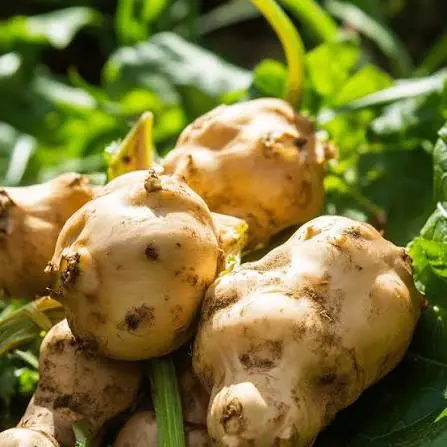
⛏ Harvesting Jerusalem Artichokes
The usable crop develops underground, often several inches away from the original planting tuber. Careful digging helps prevent excessive tuber damage and reduces the number of overlooked fragments that can produce unwanted plants the following year.
Harvesting requires patience more than strength. Tubers often develop beyond the original planting location, and digging too aggressively may slice through or overlook portions of the crop.
- Cut the stalks. Trim dead stalks several inches above the soil surface to improve access.
- Loosen the soil. Use a digging fork or shovel several inches away from the stems to reduce tuber damage.
- Lift the root mass. Carefully work beneath the plant and raise the soil gradually.
- Search thoroughly. Look for tubers extending beyond the original planting area.
- Separate the harvest from next year’s crop. Decide which sound tubers will be stored or fed and which will intentionally remain for future growth.
🧺 Storing Jerusalem Artichokes for Later Use
One advantage of Jerusalem artichokes is that they do not need to be harvested all at once. In many climates, the tubers can remain underground through winter and be dug as needed, providing a fresh source of supplemental feed long after many garden crops have finished producing.
If tubers are harvested for storage, keep them in a cool, dark, and humid environment similar to how root vegetables are stored. Avoid washing them until they are ready to be used, because excess moisture can shorten storage life.
- Short-term storage: Keep harvested tubers cool and protected from drying out.
- Long-term storage: Leave tubers in the ground and harvest as needed when conditions allow.
- Before feeding: Inspect stored tubers and remove any pieces showing mold, rot, or spoilage.
🌱 Managing Regrowth
Harvesting Jerusalem artichokes differs from harvesting potatoes because every tuber left behind has the potential to become a new plant. Depending on your goals, this can be either a tremendous advantage or a persistent challenge.
✔ If You Want Next Year's Crop
- Leave several healthy tubers underground.
- Avoid disturbing the planting area unnecessarily.
- Mark the patch before winter.
- Allow natural regrowth next spring.
❌ If You Want To Remove Them
- Dig carefully and thoroughly.
- Search for small tubers and fragments.
- Monitor the area the following spring.
- Remove volunteer shoots promptly.
Even experienced gardeners occasionally miss small tubers. Don't be surprised if a few volunteer plants appear the following year.
🧺 Cleaning the Tubers
Freshly harvested Jerusalem artichokes are usually covered with soil and often have numerous small crevices that trap dirt. Cleaning them thoroughly before storage or feeding helps reduce spoilage and makes preparation easier.
- Shake away loose soil.
- Trim damaged roots if necessary.
- Rinse only when preparing to use them, if possible.
- Allow excess surface moisture to dry before short-term storage.
- Discard damaged, rotten, or moldy tubers.
Many gardeners leave freshly harvested tubers unwashed until they are ready to use them. Keeping the protective soil layer intact often helps extend storage life.
📦 Storing Jerusalem Artichokes
Unlike wheat, Jerusalem artichokes are living tubers rather than dry grain. They gradually lose moisture after harvest and generally do not store for years under ordinary conditions. Proper storage focuses on maintaining freshness while preventing freezing, drying, or decay.
| Storage Method | Best Use |
|---|---|
| Leave in the Ground | Excellent where winter soil remains workable. |
| Root Cellar | Cool, humid storage for extended freshness. |
| Refrigerator | Short-term household storage. |
| Moist Sand or Peat | Helps reduce moisture loss during storage. |
Remove any tubers that become soft, moldy, slimy, or develop unpleasant odors before they affect the rest of the stored crop.
🌿 Nothing Goes to Waste
One reason Jerusalem artichokes fit so well into a homestead is that nearly every part of the plant can serve a purpose. While the underground tubers are the primary harvest, the remaining plant material also contributes value around the property.
🥔 Tubers
- Supplemental chicken feed.
- Human food.
- Planting stock.
🌻 Flowers
- Late-season pollinator support.
- Adds beauty to the landscape.
🌿 Stalks & Leaves
- Compost ingredients.
- Mulch after composting.
- Seasonal privacy screen.
🌱 Saving Tubers for Future Planting
Unlike grain crops where seed is saved, Jerusalem artichokes are propagated by tubers. Simply select healthy, vigorous tubers from your harvest and reserve them for planting the following season.
- Firm.
- Disease free.
- Undamaged.
- Average to large in size.
- Clearly labeled if growing multiple varieties.
Over time, your Jerusalem artichoke patch can become almost entirely self-sustaining, eliminating the need to purchase additional planting stock unless you wish to introduce new varieties.
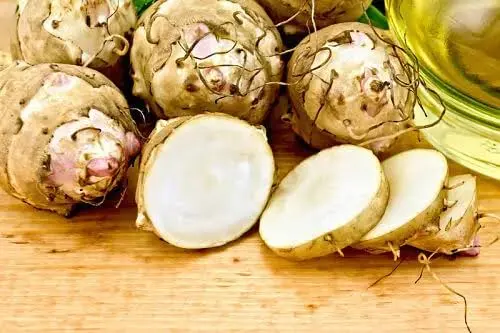
🐔 How to Feed Jerusalem Artichokes to Chickens
Jerusalem artichokes are best offered after the tubers have been cleaned, inspected, and opened. Cutting, grating, or crushing the firm tubers makes them easier for chickens to investigate and consume.
Jerusalem artichokes are best viewed as a supplemental food rather than a staple ingredient. The tubers provide carbohydrates, feeding variety, and enrichment but do not contain the balanced protein, calcium, vitamins, minerals, and essential amino acids required for complete poultry nutrition.
Most backyard keepers will have the greatest success offering small portions alongside a complete commercial ration or properly formulated home diet.
- Freshly chopped tubers
- Coarsely grated tubers
- Lightly crushed pieces
- Plain cooked and cooled tubers
- Small portions mixed with other safe garden vegetables
- Scattered pieces used for supervised foraging enrichment
Begin with small quantities while observing flock acceptance and normal complete-feed consumption. Remove uneaten pieces before they become dirty, moldy, fermented, or attractive to pests.
🥔 How Much Jerusalem Artichoke Can Chickens Eat?
Jerusalem artichokes should be offered as a supplemental feed rather than a replacement for a complete chicken ration. The amount chickens can eat depends on flock size, available forage, and how often the tubers are provided.
When introducing Jerusalem artichokes for the first time, start with small amounts and allow chickens to adjust gradually. Chopped or broken tubers are often easier for chickens to consume, especially for smaller birds.
- Small flocks: Offer a small handful of prepared pieces as an occasional supplement.
- Larger flocks: Scatter chopped tubers to encourage natural foraging behavior.
- Regular feeding: Continue providing a balanced poultry feed as the nutritional foundation of the diet.
⚠️ Jerusalem Artichoke Safety Considerations
Jerusalem artichokes are generally considered safe for chickens when offered as a supplemental food. However, like any new feed item, they should be introduced gradually and should not replace a complete poultry ration.
- Introduce gradually: Some chickens may experience digestive changes when first introduced to new foods, so offer small amounts at first.
- Keep feeding balanced: Jerusalem artichokes can provide variety and enrichment, but chickens still require a complete feed to meet their nutritional needs.
- Manage plant spread: Jerusalem artichokes can spread aggressively through remaining tubers. Plant them where expansion can be controlled or where spreading is acceptable.
- Remove spoiled tubers: Do not feed chickens tubers that show signs of mold, rot, or contamination.
🥔 Preparing Tubers Before Feeding
Jerusalem artichoke tubers are much firmer than many common garden vegetables. While some chickens may peck at whole tubers, preparing them first usually increases acceptance and reduces waste.
- Wash away excessive soil if necessary.
- Inspect for mold, rot, or damage.
- Cut, crush, or grate into manageable pieces.
- Offer only what the flock can consume in a reasonable amount of time.
- Remove leftovers before spoilage occurs.
Every flock is different. Some chickens readily investigate new foods, while others require several introductions before accepting unfamiliar vegetables or tubers.
🥣 Nutritional Overview
Jerusalem artichokes differ from grains because they store much of their energy as inulin, a naturally occurring carbohydrate, rather than starch. While this characteristic has made the crop popular for human nutrition research, backyard chicken keepers should simply recognize that the tubers are primarily an energy-oriented supplemental food—not a complete feed ingredient.
| Nutrient Category | General Level |
|---|---|
| Energy | ★★★★☆ |
| Protein | ★☆☆☆☆ |
| Fiber | ★★★☆☆ |
| Calcium | ★☆☆☆☆ |
| Storage Potential | ★★★★☆ |
| Chicken Enrichment Value | ★★★★★ |
Because nutrient composition varies with variety, soil conditions, maturity, and storage, Jerusalem artichokes should be viewed as one part of a diverse feeding program rather than relied upon for precise nutritional balancing.
🥔 Jerusalem Artichokes vs. Potatoes
Since both crops produce underground tubers, they're often compared. Although they may appear similar at first glance, they behave very differently in both the garden and the feed garden.
🌻 Jerusalem Artichokes
- Perennial crop.
- Returns from underground tubers.
- Produces sunflower-like flowers.
- Tolerates cold winters well.
- Requires long-term placement.
🥔 Potatoes
- Usually grown as an annual crop.
- Replanted each season.
- No tall flowering screen.
- Easier to rotate through garden beds.
- Generally easier to remove completely.
🌻 Jerusalem Artichokes vs. Sunflowers
These two crops belong to the same botanical genus, Helianthus, yet serve very different purposes in a backyard chicken feed garden.
| Category | Jerusalem Artichokes | Sunflowers |
|---|---|---|
| Primary Harvest | Tubers | Seeds |
| Life Cycle | Perennial | Usually Annual |
| Winter Survival | ★★★★★ | ★☆☆☆☆ |
| Chicken Feed Type | Supplemental tubers | Energy-rich seeds |
| Pollinator Value | ★★★★★ | ★★★★★ |
Many homesteaders choose to grow both crops because they complement each other exceptionally well throughout the growing season.
🌱 Jerusalem Artichokes in a Diversified Feed Garden
Jerusalem artichokes shine when combined with other productive feed crops rather than being expected to meet every nutritional need by themselves. Their perennial nature complements annual vegetables, grains, legumes, and forage plants by providing dependable production from the same location year after year.
Excellent Companion Crops
- 🌾 Wheat
- 🌻 Sunflowers
- 🌽 Grain Sorghum
- 🌿 Cowpeas
- 🌱 White Clover
- 🥬 Kale
- 🌳 Mulberry
- 🎃 Pumpkins & Winter Squash
- 🌿 Alfalfa
Why They Fit So Well
- Return every year.
- Harvest after most summer crops are finished.
- Provide seasonal dietary variety.
- Create beneficial wildlife habitat.
- Offer multiple homestead uses beyond chicken feed.
- Help diversify food production.
🧺 Backyard Chicken Planner Harvest Checklist
Before storing or feeding your Jerusalem artichoke harvest, work through this checklist to help ensure the tubers remain healthy and productive.
- Plants reached dormancy before harvest.
- Tubers dug carefully to minimize damage.
- Healthy planting tubers reserved for next season.
- Rotten or damaged tubers discarded.
- Storage location prepared.
- Patch clearly marked for spring regrowth.
- Volunteer spread evaluated.
- Tubers introduced gradually into the flock's diet.
- Uneaten feed removed promptly.
- Future expansion of the patch planned.
⭐ Are Jerusalem Artichokes Worth Growing for Chickens?
After examining every aspect of Jerusalem artichokes—from selecting a permanent planting location to harvesting underground tubers—one thing becomes clear: Jerusalem artichokes are one of the most productive perennial supplemental feed crops available to backyard chicken keepers.
Few crops combine vigorous growth, dependable annual production, pollinator benefits, seasonal privacy screening, and edible tubers in a single planting. Once established, a well-managed patch can continue producing for many years with relatively little annual maintenance.
Their greatest strength is also their greatest weakness. The same underground tubers that make them wonderfully self-renewing can also allow them to spread into unwanted areas if the planting location is poorly chosen. Gardeners who understand and plan for this characteristic are often rewarded with one of the most dependable perennial crops in the feed garden.
If you have room for a permanent planting area and want a long-lived supplemental feed crop that provides benefits far beyond chicken feed alone, Jerusalem artichokes deserve serious consideration.
🏆 Backyard Chicken Planner Scorecard
Each crop in the Backyard Chicken Planner Feed Crop Database is evaluated using the same criteria, making it easier to compare crops and build a feed garden suited to your climate and goals.
| Category | Rating |
|---|---|
| Beginner Friendly | ★★★★☆ |
| Chicken Feed Value | ★★★★☆ |
| Perennial Value | ★★★★★ |
| Storage Flexibility | ★★★★★ |
| Pollinator Benefits | ★★★★★ |
| Heat Tolerance | ★★★☆☆ |
| Cold Hardiness | ★★★★★ |
| Containment Difficulty | ★★☆☆☆ |
| Homestead Value | ★★★★★ |
| Overall Recommendation | ★★★★★ |
🚀 Beginner Action Plan
If you're ready to add Jerusalem artichokes to your feed garden, start small and let the plants prove themselves before expanding.
- Choose a Permanent Location Select a sunny area where long-term regrowth will not become a problem.
- Purchase Healthy Tubers Start with firm, disease-free planting stock from a reputable supplier.
- Prepare Loose Soil Improve drainage and incorporate compost before planting.
- Plant in Early Spring Space tubers appropriately and water thoroughly after planting.
- Monitor Throughout the Season Watch for rapid growth, flowering, and developing tubers while controlling weeds.
- Harvest After Dormancy Dig carefully, save healthy planting tubers, and prepare the remainder for storage or feeding.
- Evaluate Before Expanding After one growing season, decide whether you'd like to enlarge your perennial patch or simply maintain its current size.
❓ Frequently Asked Questions
Can chickens eat Jerusalem artichokes?
Yes. Chickens can eat clean, sound Jerusalem artichoke tubers as a supplemental food. The tubers may be offered raw, chopped, grated, crushed, or plain cooked after cooling.
Are Jerusalem artichokes the same as globe artichokes?
No. Jerusalem artichoke, Helianthus tuberosus, is a perennial member of the sunflower family grown primarily for its underground tubers. It is not the same crop as the globe artichoke.
Can chickens eat raw Jerusalem artichokes?
Yes. Clean raw tubers may be offered in moderation. Because whole tubers are firm, cutting, grating, crushing, or otherwise exposing the interior usually makes them easier for chickens to investigate and consume.
Can chickens eat cooked Jerusalem artichokes?
Yes. Plain cooked Jerusalem artichokes may be offered after they have cooled. Serve them without butter, oils, salt, sugar, milk, sauces, garlic, onions, spices, or other seasonings.
Should Jerusalem artichokes be chopped before feeding chickens?
Chopping is not strictly required, but it is usually helpful. Cutting, grating, crushing, or breaking the firm tubers exposes the moist interior and may improve flock acceptance while reducing waste.
Should I peel Jerusalem artichokes before feeding them?
No. Peeling is generally unnecessary. Wash away excessive soil, inspect the tubers carefully, and cut them into manageable pieces when needed.
Can baby chicks eat Jerusalem artichokes?
Baby chicks should receive a complete chick starter feed as their primary diet. Supplemental Jerusalem artichokes are better reserved for older birds unless they are included appropriately in a professionally formulated ration.
Can chickens eat Jerusalem artichokes every day?
Small amounts may be offered regularly, but the tubers should remain supplemental. Feeding too much may reduce the flock’s intake of nutritionally complete poultry feed.
Can Jerusalem artichokes replace layer feed?
No. Jerusalem artichoke tubers are primarily an energy-oriented supplemental food and do not provide enough balanced protein, essential amino acids, calcium, vitamins, or minerals to replace a complete layer ration.
Can chickens eat moldy or rotten Jerusalem artichokes?
No. Do not feed tubers that are moldy, slimy, badly rotted, foul smelling, chemically contaminated, or damaged by disease. Questionable tubers should be discarded.
Will chickens dig up Jerusalem artichoke tubers themselves?
Chickens may scratch around shallow or exposed tubers, but they generally do not harvest deeply buried tubers reliably. Digging and preparing the tubers yourself provides better control over feeding and crop management.
What part of the Jerusalem artichoke plant is normally harvested?
The underground tuber is the primary food harvest. The flowers may support pollinators, and healthy stalks and leaves may provide seasonal biomass, screening, or compost material.
When should Jerusalem artichokes be harvested?
Tubers are generally harvested after the tops have died back and the plants have entered dormancy. Many gardeners begin digging after frost and continue while the soil remains workable.
Can Jerusalem artichokes remain in the ground through winter?
Yes, in many climates. Tubers may remain underground and be harvested as needed while the soil stays accessible. Heavy freezing, saturated soil, rodents, and local winter conditions may affect this storage method.
Can Jerusalem artichokes survive freezing winters?
Yes. Healthy dormant tubers survive winter beneath the soil in many temperate climates and produce new shoots the following spring.
Do Jerusalem artichokes return every year?
Yes. Jerusalem artichokes are perennial, and even small tubers or fragments left in the soil may produce new plants during the next growing season.
Are Jerusalem artichokes invasive?
They can spread aggressively within a garden because new plants grow from tubers and tuber fragments left in the soil. A dedicated contained planting area and careful harvesting help limit unwanted spread.
How quickly do Jerusalem artichokes spread?
The rate varies with soil, moisture, climate, variety, and harvest practices. Even small overlooked tubers may produce full plants the following season, allowing a patch to expand beyond its original boundary.
Can Jerusalem artichokes be grown in raised beds?
Yes, but the bed should be treated as a permanent Jerusalem artichoke planting. Tubers left behind can make future crop rotation difficult.
Can Jerusalem artichokes be grown entirely in containers?
Yes. Large, sturdy, well-drained containers can help limit spreading and simplify harvest. Mature plants may become very tall and top-heavy, so the container must be stable and receive dependable water.
Can people eat Jerusalem artichokes?
Yes. The tubers are edible for people and may be eaten raw or cooked. They contain substantial inulin, which may cause gas or digestive discomfort in some people, especially when eaten in large amounts.
Will growing Jerusalem artichokes lower my chicken-feed bill?
Possibly, but savings depend on tuber yield, available space, harvesting labor, storage losses, flock acceptance, and continued complete-feed requirements. Their greatest value may come from perennial production, enrichment, screening, pollinator support, and human food use.
📚 Continue Learning
🛠 Helpful Backyard Chicken Planner Tools
📖 Research & References
This guide was developed using research from university extension publications, agronomy references, horticultural resources, and government agricultural agencies. Recommendations focus specifically on practical backyard chicken keeping and small-scale homestead production.
- USDA – National Agricultural Library
- USDA NRCS
- University Extension Publications
- Cornell Cooperative Extension
- Penn State Extension
- University of Minnesota Extension
- University of Illinois Extension
- University of Missouri Extension
- North Carolina Cooperative Extension
- Royal Horticultural Society (RHS)