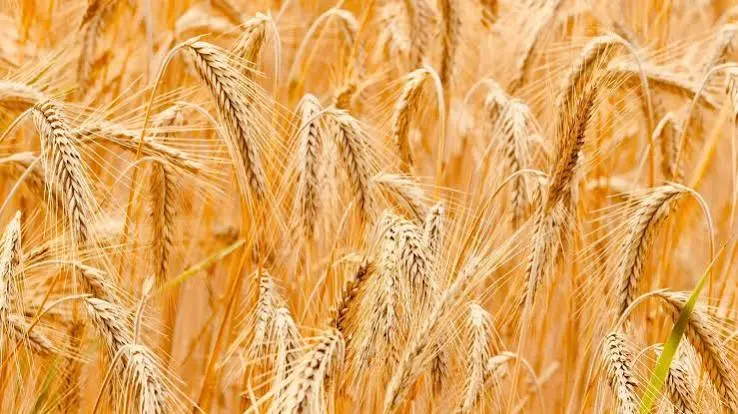
Can Chickens Eat Wheat? Growing Wheat for Chickens
Wheat is a productive cool-season grain that can provide whole kernels, sprouts, young fodder, stored grain, straw, and flock enrichment. This guide explains how chickens can safely eat wheat, how to choose between winter and spring varieties, and how to plant, harvest, thresh, dry, store, and use homegrown wheat as a supplemental part of a balanced feeding program.
🌾 Can Chickens Eat Wheat?
Yes. Chickens can eat clean wheat in several forms, including whole raw kernels, cracked wheat, plain cooked wheat, wheat sprouts, young wheat fodder, and thoroughly dried seed heads. Wheat should remain a supplemental food alongside a complete poultry ration rather than replacing balanced feed.
Healthy adult chickens can usually eat whole raw wheat when appropriate insoluble grit is available. Wheat does not normally need to be cooked before feeding, although it should be introduced gradually and offered in measured amounts.
Chickens may also eat plain cooked wheat after it has cooled. Serve it without butter, oils, salt, sugar, milk, sauces, garlic, onions, or other seasonings.
Other practical forms include:
- Cracked wheat: Smaller pieces may be easier for some birds to consume, but cracking does not improve the grain’s overall nutritional balance.
- Wheat sprouts: Clean, untreated wheat may be sprouted under sanitary conditions and offered as supplemental green feed.
- Wheat fodder: Young shoots may be fed fresh when they are clean, mold-free, and produced with good drainage and airflow.
- Fermented wheat: Wheat may be included in properly managed fermented feed, but fermentation must be controlled carefully. Discard any batch that develops mold, slime, putrid odors, unusual discoloration, or other signs of spoilage.
- Whole wheat heads: Thoroughly dried, untreated seed heads may be offered as pecking enrichment.
Wheat is mainly an energy grain and contains very little calcium. It does not provide the complete amino-acid, vitamin, mineral, and energy balance required by chicks, growing birds, or laying hens. Never feed moldy, musty, heated, chemically treated, insect-damaged, or otherwise contaminated wheat.
🌾 Crop Snapshot
Harvesting, drying, threshing and winnowing are required before long-term storage.
Properly dried wheat can remain viable for many years when stored in cool, dry conditions.
Should You Grow Wheat?
If your goal is to produce some of your own chicken feed while also harvesting useful straw, improving food security, and building a more self-reliant homestead, wheat is one of the best grain crops you can grow. Although it requires more processing than crops like Jerusalem artichokes or mulberry, its exceptional storage life and versatility make it a favorite among many experienced homesteaders.
✅ Wheat Is an Excellent Choice If You...
- Want an easy grain crop for beginners.
- Need a crop that stores well for years.
- Want bedding straw for your coop.
- Live where cool-season crops perform well.
- Enjoy growing grains for both chickens and people.
- Want a dependable addition to a diversified feed garden.
⚠ Consider Another Crop If You...
- Only have room for containers.
- Need the highest possible protein crop.
- Don't want to thresh grain after harvest.
- Need a crop that provides fresh forage throughout summer.
- Expect one crop to completely replace commercial feed.
📊 Quick Facts
📖 What You'll Learn
This guide follows wheat from seed to chicken feeder. Along the way you'll learn how to choose varieties, plant successfully, maximize harvests, process grain, store it safely, and determine whether wheat deserves space in your own backyard feed garden.
🐔 Is Wheat a Good Crop for Chickens?
Absolutely. Wheat is one of the most valuable grain crops a backyard chicken keeper can grow. It is relatively easy to produce, stores exceptionally well when properly dried, and is readily eaten by most adult chickens. Unlike many garden vegetables that must be fed fresh or preserved quickly, wheat can be harvested once, stored for months—or even years under ideal conditions—and used whenever your flock needs supplemental feed.
While wheat should never replace a complete commercial ration, it serves as an outstanding supplemental energy grain. It also fits naturally into diversified feeding programs where chickens receive a combination of grains, seeds, insects, forage, kitchen scraps, and nutritionally balanced feed.
- Excellent long-term storage potential.
- Easy for most adult chickens to eat.
- Produces valuable straw for bedding and mulch.
- Can be sprouted for fresh greens during winter.
- Works well in crop rotations.
- Simple to save seed for future plantings.
- Can also be used for human consumption when appropriate varieties are grown.
Wheat is primarily an energy grain. Although it provides moderate protein, it does not contain enough calcium, essential amino acids, vitamins, or minerals to meet all of a chicken's nutritional needs. Think of wheat as one valuable ingredient in a complete feeding program—not the entire diet.
💰 Why Grow Wheat Instead of Simply Buying It?
At first glance, buying whole wheat from a local feed mill or farm store may seem like the easier choice—and for many backyard flocks, it often is. Commercial grain is inexpensive, readily available, and requires no planting, harvesting, or processing.
So why do experienced homesteaders continue to grow wheat?
Because harvesting wheat provides far more than just grain.
- 🌾 Whole grain for supplemental chicken feed.
- 🪹 Straw for nesting boxes and coop bedding.
- 🌱 Organic mulch for vegetable gardens.
- ♻ Compost materials that return nutrients to the soil.
- 🌾 Seed for future plantings.
- 🦌 Grain and cover for wildlife food plots.
- 🍞 Grain suitable for human food (when appropriate varieties are grown).
- 📦 Long-term emergency food storage.
- 🏡 Greater household self-sufficiency.
When viewed this way, wheat becomes much more than a feed crop. It becomes a multipurpose homestead crop capable of serving your chickens, your garden, your pantry, and future planting seasons all at the same time.
🌾 Why Wheat Has Been Grown for Thousands of Years
Wheat is one of humanity's oldest cultivated crops. Archaeological evidence suggests it was first domesticated more than 10,000 years ago in the Fertile Crescent, where early farmers began selecting wild grasses with larger, easier-to-harvest seeds. From those humble beginnings, wheat spread across Europe, Asia, Africa, and eventually the Americas, becoming one of the world's most important food crops.
Today, billions of people rely on wheat every day, and it remains one of the most widely planted agricultural crops on Earth. Its popularity comes from several remarkable characteristics: it grows in a wide range of climates, stores exceptionally well after harvest, produces large amounts of edible grain, and provides useful straw as a secondary harvest.
Those same qualities that made wheat valuable to ancient civilizations still make it valuable to today's backyard chicken keepers. It is dependable, productive, and remarkably versatile.
🐔 Why Chickens Love Wheat
If you've ever scattered whole wheat into a flock, you've probably noticed how quickly the birds begin scratching and pecking. Wheat kernels are an ideal size for most adult chickens, making them easy to pick up and swallow. Because the grain is dense in carbohydrates, it provides a concentrated source of energy that chickens naturally seek out.
Feeding whole wheat also encourages natural foraging behavior. Instead of consuming feed from a feeder in a matter of minutes, chickens spend time scratching through bedding, leaves, or pasture searching for individual kernels. This provides valuable mental stimulation and helps reduce boredom in confined flocks.
- Whole dry grain.
- Cracked wheat.
- Fresh wheat sprouts.
- Seven-day wheat fodder systems.
- Mixed with other grains in scratch blends.
Offering wheat in different forms throughout the year provides enrichment while allowing you to make the most of each harvest.
🏡 Why Homesteaders Love Wheat
One reason wheat remains a favorite among homesteaders is that it occupies a different place in the gardening calendar than many warm-season crops. Winter wheat is planted in the fall, grows during the cooler months, and is harvested before many summer vegetables reach full production. This allows the same garden space to produce food during multiple seasons of the year.
In addition to producing grain, wheat contributes valuable straw that can be used as chicken bedding, garden mulch, or compost material. After harvest, many gardeners immediately plant beans, pumpkins, cowpeas, or other warm-season crops into the same area, increasing the productivity of every square foot.
For families interested in greater food independence, wheat also offers peace of mind. Properly dried grain stores exceptionally well and seed can often be saved from year to year, reducing dependence on annual seed purchases.
🌾 Understanding Wheat
Not all wheat is the same. Choosing the right type is one of the most important decisions you'll make before planting. Differences in planting season, climate adaptation, grain characteristics, and intended use can all influence how well a crop performs in your backyard feed garden.
Fortunately, the decision is much simpler than many beginning gardeners expect. Most backyard chicken keepers only need to understand two basic distinctions: winter versus spring wheat and hard versus soft wheat.
❄️ Winter Wheat vs. ☀️ Spring Wheat
The biggest difference between wheat varieties is when they are planted. Some varieties spend the winter in the field before producing grain the following summer, while others are planted in spring and harvested later that same year.
❄️ Winter Wheat
Planted: Fall
Harvested: Late spring to early summer
Requires a period of cold weather (vernalization) before producing grain heads.
Often produces higher yields because plants establish roots before winter and resume vigorous growth in spring.
Excellent choice throughout much of the South, Midwest, Great Plains, and many temperate regions.
☀️ Spring Wheat
Planted: Early spring
Harvested: Mid to late summer
Does not require winter chilling to produce grain.
Best suited for colder climates where winter survival may be unreliable.
A good option when the fall planting window has already passed.
For most gardeners in the central and southern United States, winter wheat is generally the better choice because it often produces higher yields while making excellent use of otherwise unused garden space during the cooler months.
🌾 Hard Wheat vs. Soft Wheat
Another common source of confusion is the difference between hard and soft wheat. These terms describe grain characteristics rather than planting season.
| Characteristic | Hard Wheat | Soft Wheat |
|---|---|---|
| Protein Content | Higher | Lower |
| Kernel Texture | Hard | Soft |
| Common Uses | Bread, pasta, general feed grain | Pastries, cakes, crackers |
| Chicken Feed | ★★★★★ | ★★★★★ |
For backyard chickens, either hard or soft wheat works well as a supplemental grain. Backyard growers should focus more on selecting varieties adapted to their climate than worrying about whether the grain is classified as hard or soft.
🌱 Choosing the Best Wheat Variety
Rather than searching for the "best wheat," look for varieties that have been developed for your region. Local agricultural extension offices, university variety trials, and nearby farm supply stores are often the best sources of recommendations.
- Excellent winter hardiness (where appropriate).
- Good resistance to common fungal diseases.
- Strong lodging resistance (plants remain upright).
- Reliable grain production in your climate.
- Availability as untreated seed if the grain may eventually be fed to chickens.
Many agricultural seed suppliers sell wheat seed that has been treated with fungicides or insecticides for planting purposes. Treated seed should never be fed to chickens, livestock, wildlife, or people. If you plan to use part of your harvest as feed, begin with untreated seed from a reputable supplier.
🌎 Where Wheat Grows Best
One reason wheat has remained one of the world's most successful crops for thousands of years is its remarkable adaptability. Different varieties can be grown across much of North America, from the northern Great Plains to the southeastern United States.
That said, wheat performs best under certain environmental conditions.
| Condition | Preferred Range |
|---|---|
| Sunlight | Full sun (6–8+ hours daily) |
| Soil Drainage | Well-drained soils |
| Soil pH | Approximately 6.0–7.5 |
| Rainfall | Moderate and consistent during vegetative growth |
| Harvest Weather | Warm and dry conditions are ideal |
Excessive rainfall immediately before harvest can reduce grain quality, encourage fungal diseases, and delay drying. Whenever possible, wheat should mature under relatively dry conditions.
📅 Regional Planting Calendar
One of the most important factors in growing wheat successfully is planting at the proper time. Unlike many garden crops that are planted after the last frost, wheat follows two very different schedules depending on whether you are growing winter or spring varieties.
Planting too early can result in excessive growth before winter, increasing the risk of winter injury. Planting too late may prevent seedlings from establishing strong root systems before freezing weather arrives. Spring wheat has its own challenges, as delayed planting often exposes the crop to higher summer temperatures during grain development.
| Region | Winter Wheat | Spring Wheat |
|---|---|---|
| Northern United States | Late August–September | April–May |
| Midwest | September–October | March–April |
| Upper South | October–November | February–March |
| Deep South | Late October–December | Rarely grown |
| Pacific Northwest | September–October | March–April |
If your area commonly grows winter wheat commercially, that's usually the best choice for backyard growers as well. Local farmers have already determined which planting season performs best under your regional climate.
📏 How Much Space Does Wheat Need?
One advantage of wheat is that it produces a surprisingly large amount of grain in a relatively small area. While a few rows won't eliminate feed purchases, even modest plantings can produce meaningful supplemental feed while also supplying valuable straw for bedding and mulch.
| Planting Area | Typical Use |
|---|---|
| 4 × 8 ft Raised Bed | Learning experience and small supplemental harvest. |
| 10 × 10 ft Plot | Provides a useful amount of grain for a small backyard flock. |
| 500–1,000 sq ft | Produces substantial supplemental grain while yielding a generous supply of straw. |
| ¼ Acre or More | Well suited for serious homestead feed production. |
As your flock grows, remember that grain requirements increase much faster than many new chicken keepers expect. Wheat is most effective when grown alongside other feed crops rather than attempting to provide all of a flock's nutritional needs by itself.
🪴 Can Wheat Be Grown in Raised Beds?
Absolutely. Raised beds are an excellent way for beginners to learn how wheat grows. They warm more quickly in spring, drain well, and make weeding much easier than larger field plantings.
A standard 4 × 8-foot raised bed will not produce enough grain to feed a flock for long, but it can provide an educational harvest while supplying fresh seed for future plantings. Many gardeners begin with one raised bed before expanding into larger plots.
- Excellent drainage.
- Easier weed control.
- Simple harvesting.
- Ideal for experimenting with different varieties.
- Great project for families and children.
🪣 Can Wheat Be Grown in Containers?
Yes, although container-grown wheat is best viewed as an educational project rather than a practical feed crop. Large containers can successfully produce grain, but yields are naturally much smaller than garden or field plantings.
If growing wheat in containers, choose pots that are at least 12 inches deep, provide excellent drainage, and receive full sun throughout the day. Container-grown wheat dries out much faster than field-grown wheat and usually requires more frequent watering during warm weather.
A few containers of wheat are unlikely to produce enough grain to noticeably reduce feed costs. They are, however, an enjoyable way to observe the complete wheat life cycle and harvest a small amount of grain.
🌱 Preparing the Soil
Healthy soil forms the foundation of every successful wheat crop. Although wheat is generally considered forgiving, preparing the planting area properly helps ensure rapid germination, vigorous growth, and high-quality grain at harvest.
Before planting, remove perennial weeds, loosen compacted soil, and incorporate organic matter if needed. Compost improves soil structure, increases water-holding capacity, and supports beneficial soil organisms that contribute to long-term fertility.
| Soil Characteristic | Recommendation |
|---|---|
| Drainage | Well-drained soils are essential. |
| pH | Approximately 6.0–7.5. |
| Organic Matter | Moderate levels improve moisture retention and soil health. |
| Compaction | Avoid heavily compacted ground. |
| Fertility | Base applications on a soil test whenever possible. |
A basic soil test is one of the least expensive improvements you can make to your garden. Knowing your soil's pH and nutrient levels allows you to apply only the amendments your crop actually needs instead of guessing.
🌾 Planting Wheat
Planting wheat is straightforward, but consistent seed placement and proper depth make a noticeable difference in stand establishment. The goal is to create an even population of healthy plants that can fully utilize available sunlight, moisture, and nutrients.
- Prepare the Seedbed Create a smooth, firm planting surface free of large clods and heavy weed growth.
- Choose Untreated Seed If any portion of the harvest may eventually be fed to chickens, always begin with untreated seed from a reputable supplier.
- Sow Evenly Broadcast seed uniformly or plant in closely spaced rows for even coverage.
- Cover the Seed Plant approximately 1 to 1½ inches deep, depending on soil conditions.
- Firm the Soil Good seed-to-soil contact improves germination and encourages uniform emergence.
- Water if Necessary If rainfall is not expected, lightly irrigate to maintain consistent soil moisture during germination.
💧 Water Requirements
Although wheat is often considered a relatively drought-tolerant crop, consistent soil moisture during the early stages of growth helps establish healthy plants and maximize grain production. Once established, wheat generally requires less attention than many common garden vegetables.
Rather than watering on a fixed schedule, monitor both rainfall and soil moisture. Overwatering can encourage disease and shallow root systems, while prolonged drought during critical growth stages may reduce yields.
| Growth Stage | Water Requirement |
|---|---|
| Germination | Keep soil consistently moist until seedlings emerge. |
| Early Growth | Moderate moisture encourages strong root development. |
| Tillering | Maintain even soil moisture if rainfall is limited. |
| Heading & Flowering | One of the most important periods to avoid drought stress. |
| Grain Fill | Moderate moisture supports kernel development. |
| Approaching Harvest | Dry weather is preferred to improve grain quality. |
Deep, infrequent watering encourages roots to grow deeper into the soil than frequent shallow watering. Strong root systems improve drought tolerance later in the season.
🌱 Understanding Wheat Growth Stages
Knowing what wheat should look like during each stage of development makes it much easier to identify potential problems before they become serious. The following timeline describes the major stages of growth and what gardeners should expect to see.
-
Emergence (7–14 Days)
Seedlings break through the soil surface and begin establishing their first leaves and root system. -
Tillering
Additional stems begin developing from the base of the plant. More tillers often mean the potential for more grain heads later. -
Jointing
The stems begin elongating rapidly as the plant transitions from vegetative growth toward reproduction. -
Boot Stage
The developing grain head is enclosed within the upper leaf sheath but has not yet emerged. -
Heading
The grain heads become visible above the leaves and continue expanding. -
Flowering
Pollination occurs. Weather conditions during this stage have a major influence on final grain yield. -
Milk Stage
Young kernels contain a soft, milky interior as starch begins accumulating. -
Dough Stage
The kernels gradually harden while continuing to gain weight. -
Physiological Maturity
The grain reaches maximum dry weight and begins drying naturally in preparation for harvest.
🌿 Fertilizing Wheat
Wheat generally performs best in fertile, well-balanced soils, but excessive fertilization can create problems just as easily as nutrient deficiencies. Applying nutrients based on a soil test remains the most reliable approach.
Nitrogen encourages leafy growth and grain production, phosphorus supports strong root development, and potassium contributes to overall plant health and stress tolerance. Micronutrients may also be needed in some soils, but deficiencies should be confirmed before applying additional products.
Applying too much nitrogen can cause lush, weak growth that is more likely to lodge (fall over), increases disease pressure, and may delay maturity.
- Finished compost
- Well-aged manure (properly composted)
- Cover crops incorporated before planting
- Balanced organic fertilizers when needed
🌾 Common Problems While Growing Wheat
Even though wheat is considered a dependable crop, no plant is completely free from challenges. Fortunately, many problems can be minimized through proper variety selection, crop rotation, and careful observation throughout the growing season.
🐛 Insect Pests
- Aphids
- Armyworms
- Grasshoppers
- Cereal leaf beetles (where present)
- Occasional cutworms in young plantings
🍄 Diseases
- Rust diseases
- Powdery mildew
- Fusarium head blight
- Leaf blotches
- Root rots in poorly drained soils
🦌 Wildlife
- Deer browsing
- Wild turkeys
- Rabbits
- Small rodents
- Bird feeding near harvest
Many backyard gardeners never experience serious pest or disease outbreaks, especially when growing relatively small plots. Regular observation is usually enough to catch problems before they spread.
⚠️ Common Beginner Mistakes
Every gardener makes mistakes, especially during the first season. Fortunately, wheat is forgiving, and many common problems are easy to avoid once you know what to watch for.
- Planting too late for your region.
- Using treated seed that cannot be fed to chickens.
- Over-fertilizing with nitrogen.
- Allowing weeds to compete with young seedlings.
- Harvesting before grain has fully matured.
- Storing grain before it has dried completely.
- Expecting wheat to replace a complete poultry ration.
- Ignoring crop rotation year after year.
🌾 Knowing When Wheat Is Ready to Harvest
One of the most common questions new wheat growers ask is, "How do I know it's ready?" Harvesting too early produces lightweight kernels with high moisture content that store poorly. Waiting too long increases the risk of lodging, bird damage, shattering, and weather-related losses.
Fortunately, mature wheat gives several clear visual clues that harvest time has arrived.
- Entire field has turned golden brown.
- Leaves have mostly dried.
- Heads bend downward slightly.
- Kernels are hard and cannot be crushed with a fingernail.
- Stems are dry instead of green.
- Weather forecast predicts several dry days.
Immature grain contains excessive moisture and continues to shrink as it dries. Harvesting before full maturity often reduces both grain quality and storage life.
✂️ Harvesting Wheat
For backyard gardens, harvesting wheat is surprisingly simple. Large combines may dominate commercial farms, but small plots can be harvested successfully with basic hand tools.
- Choose a Dry Day Harvest only after dew has evaporated and rain is not expected.
- Cut the Stalks Use sharp hand pruners, a sickle, grain knife, or scythe to cut the stalks several inches above the ground.
- Bundle the Wheat Tie small bundles together if desired. Bundles dry evenly and are easier to handle.
- Continue Drying If moisture remains, allow bundles to finish drying under cover with good airflow.
- Prepare for Threshing Once the grain is completely dry, separate the kernels from the heads.
☀️ Drying Wheat Before Storage
Drying is one of the most important—and most overlooked—steps in producing high-quality grain. Even wheat that appears dry in the field may still contain enough internal moisture to spoil during storage.
Good airflow, warm temperatures, and protection from rain allow grain to finish curing naturally. Never rush this stage simply to begin storage sooner.
Excess moisture encourages mold, heating, insect infestations, and spoilage. Grain that develops an off odor, visible mold, condensation, or signs of heating should never be fed to chickens.
🥣 Threshing Wheat
Threshing is the process of separating the grain kernels from the seed heads. While commercial farms use combines to accomplish this in a single operation, backyard growers can easily thresh small harvests using simple household tools.
- Beating bundles inside a clean container.
- Rolling heads beneath clean boards.
- Walking on grain heads placed inside heavy tarps.
- Using a small homemade threshing drum.
The goal is to loosen the kernels without crushing them. After threshing, the grain will still contain pieces of stems, husks, and chaff that must be removed.
🌬️ Winnowing Wheat
After threshing comes winnowing—the process of separating clean grain from lightweight chaff. This simple technique has been used for thousands of years and requires little more than moving air.
- Choose a Breezy Day A light natural breeze works well.
- Pour Slowly Pour grain from one container into another.
- Allow the Wind to Carry Away Chaff The heavier kernels fall straight down while lighter plant material blows aside.
- Repeat as Needed Several passes usually produce very clean grain.
Some backyard growers use a household fan instead of natural wind, allowing the process to be performed indoors regardless of weather.
📦 Storing Wheat Safely
Properly stored wheat is one of the longest-lasting foods a homesteader can produce. Once completely dried and cleaned, whole wheat stores remarkably well while remaining useful for chickens, future planting, or household food preparation.
| Storage Factor | Recommendation |
|---|---|
| Container | Food-safe buckets or sealed containers. |
| Temperature | Cool, stable temperatures are best. |
| Humidity | Keep grain completely dry. |
| Pest Protection | Protect from rodents and insects. |
| Inspection | Check grain periodically throughout storage. |
When kept cool, dry, and protected from pests, whole wheat has one of the longest storage lives of any crop commonly grown in a backyard feed garden.
🌾 Don't Forget the Straw
Many first-time growers focus entirely on the grain and overlook one of wheat's most valuable byproducts: the straw. Clean, dry wheat straw has countless uses around the homestead and often becomes nearly as valuable as the grain itself.
🐔 Chicken Coop
- Nesting boxes
- Bedding
- Deep litter systems
🌱 Garden
- Mulch
- Weed suppression
- Moisture conservation
♻ Compost
- Carbon source
- Balances nitrogen-rich materials
- Improves finished compost
Very little of the wheat plant goes to waste. Grain feeds chickens, straw benefits the garden, and leftover residues eventually return nutrients back to the soil through composting.
🌱 Saving Seed for Future Plantings
One of wheat's greatest advantages for homesteaders is the ability to save seed from year to year. By selecting healthy plants and storing grain properly, many gardeners can produce their own planting seed indefinitely when using open-pollinated varieties.
- Select healthy plants.
- Harvest only fully mature grain.
- Store seed separately from feed grain.
- Label each variety clearly.
- Never save seed showing signs of mold or disease.
Saving seed not only reduces future costs but also allows your wheat to become increasingly adapted to your local growing conditions over time.
⭐ Is Wheat Worth Growing for Chickens?
After examining everything from planting and harvest to storage and feeding, one conclusion becomes clear: wheat is one of the best grain crops a backyard chicken keeper can grow.
It is productive, relatively easy to grow, stores exceptionally well, and provides multiple harvests from the same planting. In addition to nutritious grain, you'll also harvest valuable straw for bedding, compost, and mulch—making wheat one of the most efficient uses of garden space available to a homesteader.
That said, wheat should never be viewed as a complete replacement for commercial poultry feed. Instead, it shines as part of a diversified feed garden where multiple crops work together to reduce feed costs, provide enrichment, and improve long-term self-sufficiency.
If you're planting your first grain crop specifically for backyard chickens, wheat deserves a place at the very top of your list.
🏆 Backyard Chicken Planner Scorecard
Every crop in our Feed Crop Database is evaluated using the same criteria so you can compare plants objectively and build the feed garden that best fits your goals.
| Category | Rating |
|---|---|
| Beginner Friendly | ★★★★★ |
| Chicken Feed Value | ★★★★★ |
| Storage Potential | ★★★★★ |
| Heat Tolerance | ★★★☆☆ |
| Cold Tolerance | ★★★★★ |
| Drought Tolerance | ★★★☆☆ |
| Processing Simplicity | ★★★☆☆ |
| Homestead Value | ★★★★★ |
| Overall Recommendation | ★★★★★ |
🚀 Beginner Action Plan
Feeling ready to grow your own wheat? Here's a simple plan to get started.
- Choose a Wheat Variety Select an untreated winter or spring wheat adapted to your climate.
- Prepare a Small Planting Area A 4×8-foot raised bed or a small garden plot is enough to learn the process.
- Plant at the Proper Time Follow the regional planting calendar for your area.
- Observe the Growth Stages Watch your wheat progress from emergence through harvest while learning how each stage looks.
- Harvest Carefully Dry, thresh, clean, and store the grain properly.
- Feed Gradually Introduce wheat as a supplemental feed while maintaining a complete poultry ration.
- Expand Next Year Use what you've learned to increase production and begin adding additional feed crops.
❓ Frequently Asked Questions
Can chickens eat wheat?
Yes. Chickens can safely eat clean wheat as a supplemental grain. Whole wheat, cracked wheat, plain cooked wheat, sprouts, young wheat fodder, and thoroughly dried seed heads may all be offered as part of a balanced feeding program.
Can chickens eat whole wheat?
Yes. Most healthy adult chickens readily eat whole wheat kernels when appropriate insoluble grit is available. Whole wheat is commonly fed to backyard flocks without additional processing.
Can chickens eat wheat berries?
Yes. Wheat berries are simply whole wheat kernels. They are nutritionally the same as whole wheat and are suitable for most adult chickens when offered in moderation.
Can chickens eat cooked wheat?
Yes. Plain cooked wheat may be offered after it has cooled. Do not add butter, oils, salt, sugar, milk, sauces, garlic, onions, or other seasonings.
Can chickens eat wheat sprouts or wheat grass?
Yes. Clean wheat sprouts and young wheat grass can provide fresh green forage and enrichment. Good sanitation, drainage, and mold prevention are important whenever sprouting grain.
Can baby chicks eat wheat?
Baby chicks should receive a complete chick starter feed as their primary diet. Small amounts of finely cracked wheat may be introduced only after chicks are established on starter feed and are old enough to safely consume supplemental grains.
Can wheat replace layer feed?
No. Wheat is primarily an energy grain and contains very little calcium. It should supplement—not replace—a complete poultry ration formulated for laying hens.
Should wheat be cracked before feeding?
Most adult chickens easily consume whole wheat. Cracking may benefit younger birds or birds that are unfamiliar with whole grain, but it is generally unnecessary for mature backyard flocks.
Can chickens eat fermented wheat?
Yes. Wheat may be included in properly managed fermented feed. The grain should smell pleasantly sour rather than rotten, and any batch showing mold, slime, discoloration, or foul odors should be discarded.
How long can wheat be stored?
Properly dried wheat stored in cool, dry, rodent-proof containers can remain usable for years. Grain should be inspected regularly for moisture, insects, mold, and spoilage.
Can I save wheat seed for next year?
Yes. Healthy, untreated wheat from vigorous plants can be saved for future planting. Store planting seed separately from feed grain and test germination if it has been stored for an extended period.
Can moldy wheat be fed to chickens?
No. Moldy, musty, heated, insect-infested, chemically treated, or rodent-contaminated wheat should never be fed to poultry because it may contain harmful toxins or contaminants.
📚 Continue Learning
🛠 Helpful Backyard Chicken Planner Tools
📖 Research & References
This guide was developed using research from university extension publications, agronomy references, poultry nutrition resources, and government agricultural agencies. Recommendations focus specifically on practical backyard chicken keeping and small-scale homestead production.
- USDA – National Agricultural Library
- USDA NRCS
- University Extension Publications
- Penn State Extension
- University of Kentucky Extension
- Cornell Cooperative Extension
- North Dakota State University Extension
- Oklahoma State University Extension
- University of Minnesota Extension
- University of Georgia Cooperative Extension