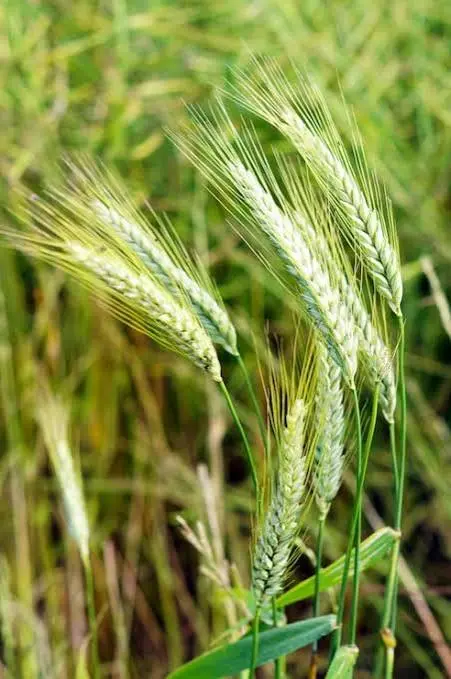
Growing Barley for Chickens
Barley is a fast-growing cool-season grain that can provide dry seed, tender forage, sprouts, straw, and crop diversity for backyard chicken keepers. This guide explains how to choose a suitable barley type, prepare and plant a small crop, manage it through maturity, harvest and store the grain, and use barley responsibly as a supplemental part of a balanced feeding program.
Yes. Chickens can eat clean, properly prepared barley as a supplemental feed source. Barley can provide energy, sprouts, forage opportunities, and stored grain for backyard flocks, but it should not replace a complete poultry ration.
🌾 Barley at a Glance
Crop Type
Cool-season annual cereal grain
Primary Chicken Uses
Dry grain, sprouts, tender forage, enrichment, and limited ration supplementation
Best Growing Season
Spring or fall, depending on variety and local winter conditions
Sunlight
Full sun
Soil Preference
Well-drained, moderately fertile soil
Water Needs
Moderate, with dependable moisture during establishment and grain filling
Harvest Options
Young forage, mature grain heads, straw, or sprouting seed
Difficulty Level
Moderate
📋 Crop Snapshot
| Scientific Name | Hordeum vulgare |
|---|---|
| Plant Family | Poaceae |
| Plant Type | Annual cereal grain |
| Growth Season | Cool season |
| Common Types | Spring barley, winter barley, two-row barley, six-row barley, covered barley, and hulless barley |
| Typical Growth Habit | Upright grass with multiple tillers and grain-bearing heads |
| Preferred Exposure | Full sun |
| Preferred Soil | Well-drained loam or sandy loam with moderate fertility |
| General Soil pH Preference | Slightly acidic to neutral soil, guided by local soil testing recommendations |
| Main Harvest | Mature dry grain |
| Additional Uses | Green forage, sprouts, cover cropping, erosion control, straw, mulch, and bedding |
| Main Poultry Limitation | Barley is relatively high in fiber and contains soluble beta-glucans that can limit its usefulness in poorly balanced poultry diets |
| Storage Form | Clean, fully dried whole grain stored in a cool, dry, pest-resistant container |
Our Recommendation
Barley is worth considering when you want a dependable cool-season grain that matures relatively quickly and can serve several purposes around a backyard flock. It is especially useful for growers interested in producing a modest amount of grain, sprouting seed, seasonal forage, or straw.
However, barley should not be treated as a complete chicken feed. Its fiber level, hull content, amino-acid balance, and soluble beta-glucans must be considered when it is included in a ration. For most backyard keepers, barley is best used as a controlled supplemental ingredient while a nutritionally complete poultry feed remains available.
⚡ Quick Facts About Barley
One of the Oldest Cultivated Grains
Barley has been grown for thousands of years as food, livestock feed, and a dependable cereal crop in regions with cool or dry growing conditions.
Fast Cool-Season Growth
Barley establishes quickly under suitable conditions and often matures earlier than many other small grains.
Spring and Winter Forms
Spring barley is planted as early as soil conditions allow, while winter barley is planted in fall where local temperatures permit reliable overwintering.
Two-Row and Six-Row Types
Barley varieties are commonly classified by the arrangement of kernels on the head. Both types may be used for feed, although their agronomic and grain characteristics differ.
Covered and Hulless Grain
Most barley retains a fibrous hull after threshing. Hulless varieties release more readily from the hull and may be easier to use in some poultry-feeding situations.
Useful Beyond the Grain
Barley can also provide tender forage, sprouting grain, straw, mulch, soil cover, and organic matter.
Sensitive to Waterlogging
Barley performs best in well-drained soil and may suffer from poor rooting, yellowing, disease, and reduced yield where water remains around the crown.
Not a Complete Poultry Ration
Barley supplies energy and some protein, but it does not provide all nutrients chickens require in the proper proportions.
📖 What You’ll Learn
This guide follows barley from seed selection through final feeding and storage. It is designed for backyard growers who want practical information without treating a small garden like a commercial grain farm.
Understanding Barley
Learn how spring, winter, two-row, six-row, covered, and hulless barley differ.
Choosing a Variety
Compare barley types based on climate, intended use, winter survival, grain production, forage, and ease of processing.
Preparing the Growing Area
Evaluate sunlight, drainage, soil texture, pH, fertility, crop rotation, and weed pressure.
Planting Barley
Understand planting seasons, seedbed preparation, planting depth, spacing, broadcasting, rows, and establishment.
Managing the Crop
Provide water, control weeds, monitor fertility, protect the stand, and recognize lodging or nutrient problems.
Recognizing Grain Maturity
Learn how plant color, head position, kernel firmness, and grain moisture indicate harvest readiness.
Harvesting and Threshing
Use small-scale methods to cut, cure, thresh, winnow, clean, and dry backyard-grown barley.
Storing Grain Safely
Protect harvested barley from excess moisture, mold, insects, rodents, and temperature changes.
Feeding Barley to Chickens
Compare whole, cracked, ground, soaked, cooked, and sprouted barley while understanding its nutritional limitations.
Managing Problems
Identify common diseases, insect pests, wildlife damage, poor emergence, lodging, and storage problems.
🥣 How Much Barley Can Chickens Eat?
Barley should be offered as a supplemental feed rather than a replacement for a complete poultry ration. The appropriate amount depends on how the barley is prepared, what other foods are available, and the nutritional needs of the flock.
For most backyard chicken keepers, a practical approach is to introduce barley gradually and offer it as one part of a varied feeding program that includes a complete feed, fresh water, and appropriate sources of nutrients.
- Whole mature barley: Can be offered as a supplemental grain for adult chickens.
- Sprouted barley: Can provide fresh greens and enrichment in addition to grain.
- Cracked or processed barley: May be easier for some birds to consume but should still remain supplemental.
- Large amounts of barley: Should be avoided if it reduces consumption of a balanced poultry ration.
Barley is a useful homegrown feed crop, but it does not provide the complete balance of protein, amino acids, vitamins, and minerals required for healthy chickens.
For a more detailed breakdown of barley nutrition, preparation methods, benefits, and limitations, see our guide: What Can Chickens Eat?
🌾 What Is Barley?
Barley (Hordeum vulgare) is one of the world's oldest cultivated cereal grains and has been grown for thousands of years as both a human food and an important livestock feed. Today it remains a major agricultural crop because it adapts well to cool growing conditions, matures relatively quickly, and can be used for grain production, grazing, hay, silage, cover cropping, and poultry feed.
For backyard chicken keepers, barley offers something many feed crops cannot—it serves multiple purposes throughout its life cycle. Young plants provide nutritious green forage, mature plants produce grain that can be stored for months, harvested seed can be sprouted during winter, and the remaining straw becomes useful bedding or mulch around the garden.
Although barley is commonly included in poultry diets around the world, it should not be viewed as a complete chicken feed. Like every cereal grain, barley provides some nutrients extremely well while lacking others. Successful flock owners use barley as one ingredient within a balanced feeding program rather than attempting to replace commercial poultry feed entirely.
🌱 Why Grow Barley for Chickens?
Barley is popular with backyard poultry keepers because it is one of the easiest grain crops to grow on a small scale. It establishes rapidly, tolerates cool temperatures, fits well into crop rotations, and produces a useful harvest even in relatively small garden plots.
Many growers appreciate that nearly every part of the plant has value. Young leaves can provide temporary grazing, the grain becomes supplemental poultry feed, harvested seed can be sprouted during winter, and the straw has dozens of uses around the homestead.
When compared with crops like corn, barley generally requires a shorter growing season and less summer heat, making it an attractive option for northern climates and regions with mild springs.
Fast Maturity
Most barley varieties mature sooner than many other cereal grains, allowing harvest before extreme summer heat or early fall weather.
Excellent Cool-Season Crop
Barley grows best during cool weather, making it useful where summers become hot and dry.
Multiple Uses
One planting may produce forage, grain, sprouts, straw, mulch, bedding, and cover crop residue.
Easy Storage
Properly dried barley grain stores well for extended periods when protected from moisture, insects, and rodents.
Good Rotation Crop
Barley fits well between many garden crops and can help diversify annual planting schedules.
Winter Sprouting
Stored grain can be sprouted indoors throughout the year to provide fresh green feed during periods when pasture is unavailable.
Barley is one option for a backyard grain system. Depending on your climate, available space, and flock goals, you may also want to explore other grain crops such as wheat, oats, proso millet, grain sorghum, and field corn.
🌾 Understanding the Different Types of Barley
Not all barley is the same. Several different classifications are commonly used, and understanding these differences helps you choose varieties that fit your climate and intended use.
Spring Barley
Spring barley is planted early in the growing season after soils become workable. It completes its life cycle during the same year and is the type most backyard gardeners grow throughout much of North America.
- Produces grain during a single growing season.
- Avoids winter survival concerns.
- Often preferred in colder climates.
- Generally matures before the hottest part of summer.
Winter Barley
Winter barley is planted in autumn and remains dormant through winter before resuming growth in spring. Where winters are suitable, winter barley often produces earlier harvests and may yield more grain than comparable spring varieties.
Two-Row Barley
Two-row barley develops two distinct rows of kernels on each grain head. These varieties often produce larger kernels and are commonly associated with malting, although many are also suitable for livestock feed.
Six-Row Barley
Six-row barley develops six rows of kernels around the grain head. The heads often contain more kernels overall, though individual kernels may be somewhat smaller than those of two-row varieties.
Covered Barley
Most traditional barley varieties retain a tightly attached hull after harvest. This fibrous outer covering increases total fiber and slightly reduces the usable energy available to poultry.
Hulless Barley
Hulless barley naturally sheds much of its outer hull during threshing. Although it is not completely free of fiber, hulless barley generally contains less indigestible hull material than conventional covered barley.
🌾 Barley Compared with Other Chicken Feed Crops
| Crop | Strengths | Limitations |
|---|---|---|
| Barley | Cool-season grain, versatile, stores well, excellent for sprouting | Higher fiber and beta-glucans than some cereal grains |
| Wheat | Highly palatable, widely available, good energy source | Produces less straw than barley in some situations |
| Oats | Excellent cool-season forage and grain | Higher fiber because of the hull |
| Field Peas | Higher protein, fixes nitrogen, improves soil | Requires different management than cereal grains |
| Corn | Very high energy grain | Requires a longer warm growing season |
🐔 Is Barley a Good Choice for Backyard Chickens?
For many backyard poultry keepers, barley represents an excellent balance between ease of production and usefulness. It grows reliably under cool conditions, produces grain that stores well, and gives growers flexibility in how the crop is ultimately used.
While barley alone cannot meet every nutritional requirement of chickens, it can become an important part of a diversified homegrown feeding system. Many homesteads combine barley with legumes such as field peas, leafy forage crops like kale or comfrey, and complete commercial feed to create a practical, economical feeding program.
☀️ Choosing the Best Growing Location
Like most cereal grains, barley performs best when grown in full sun with good air circulation and well-drained soil. Although it is considered one of the more adaptable small grains, choosing the proper location can significantly improve stand establishment, grain quality, and final yield.
Because barley is primarily a cool-season crop, it benefits from developing during periods of moderate temperatures. Excessive heat during flowering and grain filling may reduce kernel size and overall production, while poorly drained soils increase the risk of disease and weak root development.
Sunlight
At least 6 to 8 hours of direct sunlight each day, with full sun providing the best grain production.
Air Movement
Good airflow helps foliage dry more quickly after rain or dew, reducing the likelihood of fungal diseases.
Drainage
Well-drained soil is essential. Standing water around the roots greatly reduces barley performance.
Previous Crop
Avoid repeatedly planting barley after other cereal grains whenever possible to help reduce disease pressure.
🌱 Soil Requirements
Barley grows successfully on many soil types but generally performs best in fertile, well-drained loam or sandy loam soils. Heavy clay soils may support good crops when properly drained, while extremely sandy soils often require more careful moisture management.
Unlike many garden vegetables, barley does not require exceptionally rich soil. Excessive fertility—particularly excess nitrogen—may encourage lush vegetative growth that increases lodging and delays maturity.
Ideal Soil Characteristics
- Well drained with minimal standing water.
- Moderate organic matter.
- Loose enough for healthy root development.
- Minimal soil compaction.
- Good moisture-holding capacity without remaining saturated.
🧪 Soil pH
Barley performs best in soils that are slightly acidic to neutral. A soil test is the most reliable way to determine whether lime or other amendments are needed before planting.
When soil becomes excessively acidic, nutrient availability changes and root development may be reduced. Correcting soil pH well before planting gives amendments time to react with the soil.
💧 Drainage and Moisture
One of barley's greatest strengths is its ability to produce respectable yields using less water than many other grain crops. Even so, consistent moisture during establishment and grain development remains important.
The crop is far more tolerant of temporary dry conditions than prolonged waterlogging. Saturated soils reduce oxygen around the roots, encourage disease organisms, and may permanently stunt the crop.
Critical Moisture Periods
- Seed germination
- Early seedling establishment
- Tiller formation
- Heading
- Flowering
- Grain filling
🌾 Fertility Requirements
Barley requires balanced fertility to produce healthy grain, but more fertilizer does not necessarily mean a better crop. Proper nutrient management begins with soil testing rather than guessing.
Nitrogen encourages growth, phosphorus supports root development, potassium contributes to overall plant health, and sulfur may be beneficial on deficient soils. The appropriate application rates depend entirely on existing soil fertility and expected yield.
| Nutrient | Primary Role |
|---|---|
| Nitrogen (N) | Leaf growth, tillering, grain production |
| Phosphorus (P) | Root development and early vigor |
| Potassium (K) | Overall plant health and stress tolerance |
| Sulfur (S) | Protein formation where deficient |
🔄 Crop Rotation
Rotating barley with unrelated crops is one of the simplest ways to reduce disease pressure while maintaining healthier soils. Continuous barley or repeated planting after other cereal grains may increase problems with soilborne pathogens, volunteer plants, and certain insect pests.
Many backyard gardeners rotate barley with legumes, vegetables, or cover crops to improve overall soil health while spreading nutrient demands across different plant families.
Excellent Previous Crops
Field peas, cowpeas, clover, many garden vegetables, and other legumes.
Avoid Repeating
Continuous barley, wheat, oats, rye, or other cereal grains whenever practical.
Benefits
Reduced disease pressure, improved nutrient cycling, healthier soil biology, and fewer recurring pest problems.
🤝 Companion Crops
Although barley is frequently planted by itself, it can also be grown with compatible companion crops depending on your goals. Some growers combine barley with legumes to improve forage quality or to increase biological nitrogen contributions to the following crop.
For backyard chicken keepers, companion planting often makes the most sense when growing forage rather than grain intended for long-term storage.
| Companion Crop | Potential Benefit |
|---|---|
| Field Peas | Higher forage protein and improved crop diversity. |
| Crimson Clover | Nitrogen contribution and pollinator support. |
| Annual Ryegrass | Additional forage production in some systems. |
| Other Cover Crop Mixes | Improved soil protection and organic matter. |
🌾 Choosing the Right Barley Variety
The best barley variety depends on where you live and what you hope to accomplish. A gardener growing sprouts throughout winter has different priorities than someone producing grain for supplemental chicken feed or straw for bedding.
When selecting seed, first determine whether your area is better suited for spring or winter barley. Then compare available varieties for disease resistance, maturity, lodging resistance, grain quality, and winter survival if fall planting is planned.
Recommendation for Backyard Chicken Keepers
Choose certified seed of a locally adapted feed barley whenever possible. If hulless varieties are readily available and perform well in your region, they may offer advantages for poultry feeding. Otherwise, conventional covered barley remains an excellent choice for most backyard grain plantings.
🌱 Choosing Quality Seed
Successful barley production begins long before planting day. Healthy, high-quality seed produces stronger seedlings, more uniform stands, improved disease resistance, and ultimately higher grain yields. While barley is considered relatively forgiving, poor-quality seed often results in thin stands that never fully recover.
Whenever possible, purchase certified seed from a reputable supplier. Certified seed has generally been tested for purity, germination, and the presence of common diseases. It also provides confidence that the variety you purchased is actually the variety growing in your field.
Certified Seed
Provides known varieties with tested germination and improved reliability.
Clean Seed
Free from weed seed, excessive broken kernels, insects, and foreign material.
Disease-Free
Reduces the chance of introducing seedborne diseases into your garden.
Uniform Size
Produces more even emergence and stand establishment.
🧪 Treated vs. Untreated Seed
Many commercially sold barley seeds are treated with fungicides or insecticides to protect seedlings during germination. While these treatments may improve crop establishment, treated seed must never be fed to chickens or other livestock.
If you plan to sprout harvested barley later for your chickens, verify that the original seed was intended for agricultural production and not sold as chemically treated planting stock for restricted uses.
📅 When to Plant Barley
The proper planting window depends primarily on whether you are growing spring barley or winter barley. Both perform best when much of their vegetative growth occurs during cool weather.
Spring Barley
Spring barley should be planted as early as local soil conditions allow while avoiding excessively wet ground that could become compacted during planting.
- Plant early enough to take advantage of cool temperatures.
- Avoid delaying planting until summer heat arrives.
- Wait until soil is workable rather than muddy.
Winter Barley
Winter barley is planted during autumn with enough time for seedlings to establish before severe winter weather begins. Exact planting dates vary greatly depending on climate and winter severity.
🌡️ Soil Temperature
Barley germinates well under relatively cool conditions, which is one reason it has remained a dependable grain crop across temperate climates. Cool soil encourages steady emergence while helping the crop avoid excessive heat later in the season.
Rather than chasing an exact soil temperature, most backyard gardeners achieve excellent results by planting during the normal local planting window recommended for spring or winter barley.
📏 Planting Depth
Proper planting depth allows barley seedlings to emerge uniformly while establishing strong root systems. Seed planted too shallow may dry out before germinating, while excessively deep planting delays emergence and weakens seedlings.
| Condition | General Recommendation |
|---|---|
| Average garden soils | Plant shallow enough for rapid emergence while maintaining consistent moisture. |
| Very sandy soils | Slightly deeper planting may improve moisture contact. |
| Heavy clay soils | Avoid planting too deeply where crusting may develop. |
📐 Row Spacing
Barley adapts well to a variety of row spacings depending on available equipment and whether grain, forage, or cover crop production is the primary objective.
Backyard gardeners often choose row spacing that allows comfortable weeding while still producing a dense stand capable of suppressing many annual weeds naturally.
Closer Rows
Provide faster canopy closure and improved weed suppression.
Wider Rows
Allow easier cultivation, hand weeding, and crop inspection.
Broadcast Planting
Works well for forage or cover crops when seed can be incorporated evenly into the soil.
🌾 Seeding Rate
An appropriate seeding rate helps produce a uniform stand without creating unnecessary competition among plants. Extremely thin stands encourage weeds, while excessively dense stands may increase lodging and disease pressure.
Commercial recommendations vary according to variety, kernel size, expected rainfall, and production goals. Backyard gardeners generally achieve excellent results by following the seeding rate supplied with certified seed or local extension recommendations.
🚜 Planting Methods
Row Planting
Rows simplify weed management, irrigation, and crop monitoring. This is usually the preferred method for backyard grain production.
Broadcast Seeding
Broadcasting can be effective when growing barley primarily for forage, cover cropping, or soil improvement. After broadcasting, lightly rake or incorporate the seed to improve soil contact.
Small Garden Beds
Raised beds and traditional garden plots work well for barley provided they receive full sun and drain freely. Harvesting by hand is often easier in these smaller plantings.
💦 Watering After Planting
Maintain consistent soil moisture during germination without saturating the soil. Once seedlings emerge and roots become established, barley generally tolerates short dry periods better than many vegetable crops.
If rainfall is limited, irrigate deeply enough to encourage deeper root growth instead of applying frequent shallow watering.
🌱 Germination and Emergence
Under favorable conditions, barley typically emerges quickly and begins producing narrow green leaves within a short period after planting. Uniform emergence usually indicates good seed quality, proper planting depth, and adequate soil moisture.
Young barley grows rapidly during cool weather and soon begins producing additional tillers that ultimately contribute to grain production.
🛠️ Troubleshooting Poor Emergence
If barley emergence appears uneven, carefully investigate the cause before considering replanting. Dig several seeds from different parts of the planting to determine whether they germinated, rotted, dried out, or were damaged by insects or wildlife.
| Problem | Possible Cause |
|---|---|
| Poor germination | Old seed, poor seed quality, insufficient moisture, or improper planting depth. |
| Missing seedlings | Birds, rodents, insects, or seed decay. |
| Uneven stand | Variable planting depth, inconsistent moisture, or soil crusting. |
| Yellow seedlings | Waterlogged soil, nutrient deficiency, or poor root development. |
🐔 Keeping Chickens Out of the Crop
Barley seedlings are extremely attractive to chickens. If birds gain access during establishment, they can quickly graze young plants to the ground or scratch out newly planted seed before it has an opportunity to germinate.
Protect the planting with temporary fencing until harvest, or until you intentionally allow chickens to graze the remaining residue after grain has been collected.
🌱 Early Season Crop Care
Once barley has emerged and established a healthy stand, the focus shifts from germination to maintaining steady growth. During the first several weeks, healthy root development and tiller formation largely determine the crop's eventual productivity.
Fortunately, barley requires relatively little maintenance compared to many garden vegetables. Most management involves monitoring soil moisture, controlling weeds early, and periodically scouting the crop for signs of insects, disease, or nutrient deficiencies.
Early Season Priorities
- Maintain consistent soil moisture without creating saturated conditions.
- Control weeds before they become established.
- Inspect seedlings every few days for insects or wildlife damage.
- Avoid unnecessary traffic through the planting.
- Watch for yellowing, stunting, or poor stand development.
💧 Irrigation Throughout the Season
Although barley is more drought tolerant than many crops, it still benefits from consistent moisture during important stages of development. Long periods of severe drought may reduce tillering, shorten grain heads, and produce smaller kernels.
Rather than watering frequently with small amounts, deeper irrigation encourages stronger root development and better drought resistance later in the season.
| Growth Stage | Importance of Moisture |
|---|---|
| Emergence | Very important for uniform stand establishment. |
| Tillering | Supports additional stem production. |
| Stem Elongation | Promotes vigorous plant growth. |
| Heading | Helps maximize grain production. |
| Flowering | Moisture stress may reduce kernel formation. |
| Grain Filling | Critical for producing plump, well-developed kernels. |
🌿 Weed Management
The best weed control begins before weeds become established. Healthy barley planted into a clean seedbed quickly shades the soil and naturally suppresses many annual weeds.
Small backyard plantings can usually be maintained with occasional hand pulling or shallow cultivation between rows. Once barley begins forming a dense canopy, additional weed pressure often decreases significantly.
Prepare a Clean Seedbed
Remove established weeds before planting.
Early Cultivation
Control weeds while they are still small.
Dense Plant Stand
Healthy barley naturally shades many weed seedlings.
Hand Removal
Large individual weeds should be removed before they produce seed.
🌾 Understanding Tillering
One characteristic that makes barley productive is its ability to produce tillers. Tillers are additional stems that develop from the base of the original plant. Under favorable conditions, many of these stems eventually produce grain heads of their own.
Healthy tillering depends on adequate sunlight, moisture, fertility, and proper plant spacing. Severe drought, overcrowding, nutrient deficiencies, or disease may reduce the number of productive tillers.
🌾 Heading and Flowering
As the growing season progresses, barley begins producing its distinctive grain heads. This stage marks the transition from vegetative growth to grain production.
Flowering generally occurs within the emerging heads and often receives little attention because it happens quickly. Stress during this period—including drought, excessive heat, or severe disease—can reduce kernel development and lower overall yields.
🌾 Grain Filling
After flowering, kernels begin filling with starch, protein, and other nutrients. During this period the heads gradually become heavier while the plants slowly change from green to golden.
Healthy leaves remain important because they continue producing energy that fills the developing kernels. Premature leaf death caused by disease, drought, or nutrient deficiency often results in lighter grain.
🌬️ Lodging
Lodging occurs when barley plants bend or fall over before harvest. Heavy grain heads, strong winds, excessive rainfall, weak stems, and overly lush growth all contribute to lodging.
While some lodged barley can still produce usable grain, severe lodging complicates harvesting and may reduce both grain quality and yield.
Causes
Excess nitrogen, storms, weak stems, and dense stands.
Prevention
Balanced fertility, adapted varieties, and avoiding excessive nitrogen applications.
Harvest Impact
Flattened grain is more difficult to harvest and may suffer additional weather damage.
🍂 Recognizing Nutrient Deficiencies
Barley occasionally develops nutrient deficiencies when soil fertility becomes unbalanced. Because several deficiencies produce similar symptoms, laboratory soil testing remains the most dependable diagnostic tool.
| Symptom | Possible Cause |
|---|---|
| General yellowing | Nitrogen deficiency or waterlogged roots. |
| Purple coloration | Possible phosphorus deficiency during cool weather. |
| Leaf edge burn | Possible potassium deficiency or drought stress. |
| Stunted growth | Compaction, poor fertility, disease, or drought. |
🦌 Wildlife Protection
Barley attracts a wide variety of wildlife throughout the growing season. Deer may graze young plants, rabbits clip seedlings near ground level, and numerous bird species feed on developing grain as harvest approaches.
In backyard gardens, lightweight fencing, row covers during establishment, or bird netting over small plots often provide adequate protection until harvest.
🌦️ Weather Challenges
Weather remains one of the few factors completely outside a grower's control. Fortunately, barley tolerates cool temperatures remarkably well, but prolonged extremes can still reduce crop performance.
| Weather Event | Possible Effect |
|---|---|
| Late frost | Usually tolerated during vegetative growth but may damage reproductive stages. |
| Heavy rain | May encourage lodging or disease. |
| Extended drought | Reduces grain filling and kernel size. |
| High temperatures | Can shorten grain filling and reduce yields. |
| Strong winds | May flatten mature barley approaching harvest. |
🩺 Common Diseases
Most backyard barley crops remain healthy when rotated properly and grown in well-drained locations. Even so, several fungal diseases occasionally appear, particularly during cool, wet weather.
Powdery Mildew
White powdery growth on leaves that may reduce photosynthesis.
Rusts
Orange or brown pustules that develop on foliage during favorable weather.
Leaf Spot Diseases
Dark lesions that gradually enlarge and reduce healthy leaf area.
Root and Crown Diseases
Most common in poorly drained soils or continuous cereal production.
🐛 Common Insect Pests
Barley generally experiences fewer insect problems than many vegetable crops, but periodic scouting remains worthwhile throughout the growing season.
| Pest | Potential Damage |
|---|---|
| Aphids | Remove plant sap and may transmit plant viruses. |
| Armyworms | Feed on leaves and developing grain heads. |
| Grasshoppers | Consume leaves and stems during dry years. |
| Wireworms | Damage germinating seed and young roots. |
Walk through the planting regularly and inspect both the upper and lower leaf surfaces. Early detection usually makes management much easier than waiting until damage becomes widespread.
🌾 Knowing When Barley Is Ready to Harvest
Barley grown for dry grain should be harvested after the plants and heads have turned golden, the kernels have become firm, and moisture has fallen enough for safe cutting and continued drying. Timely harvesting helps protect the grain from rain, wildlife, lodging, and spoilage.
🌾 Knowing When Barley Is Ready to Harvest
Harvest timing has one of the greatest influences on grain quality. Harvest too early and the kernels may be soft, lightweight, and difficult to store safely. Wait too long and wind, rain, wildlife, or shattered heads can reduce the amount of grain you ultimately collect.
As barley approaches maturity, the crop gradually changes from green to a uniform golden or straw color. Leaves dry first, followed by the stems. The grain heads lose their bright green appearance, and the kernels become firm as moisture steadily decreases.
Plant Color
Most of the plant has turned golden or straw-colored.
Firm Kernels
The grain feels hard when pressed with a fingernail rather than soft or milky.
Dry Heads
Seed heads feel dry and papery instead of green and flexible.
Minimal Green Tissue
Only small amounts of green remain on the stems or leaves.
🌾 Harvesting Barley
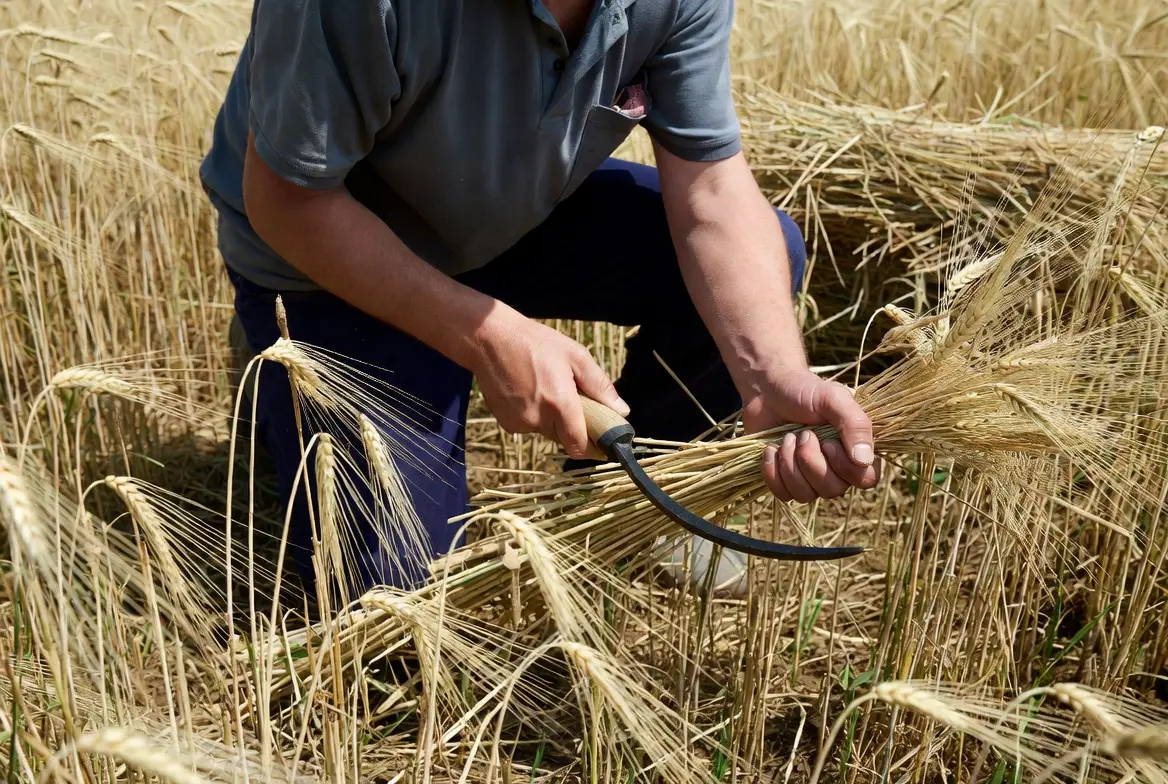
Small backyard barley crops can be harvested with simple hand tools once the grain has matured and dried. Proper timing helps preserve grain quality and reduces storage problems.
✂️ Harvesting Barley by Hand
Most backyard growers harvest barley with simple hand tools rather than specialized grain equipment. Small patches are easily cut using pruning shears, a sickle, serrated harvesting knife, or hand scythe.
Gather the stalks into manageable bundles and keep the heads aligned in the same direction. This makes drying, handling, and later threshing considerably easier.
🌤️ Curing Before Threshing
Freshly harvested barley should usually be allowed to finish drying before threshing. Bundles can be stood upright, leaned together into small shocks, or spread beneath a covered, well-ventilated shelter where they remain protected from rainfall.
Proper curing allows moisture to continue leaving both the stems and grain while reducing the chance of spoilage during storage.
🌾 Threshing the Grain
Threshing separates the kernels from the mature heads. Backyard growers have several practical options depending on the size of the planting.
Hand Rubbing
Small quantities of grain can be released by rubbing mature heads between gloved hands.
Clean Container
Heads can be placed inside a large container and gently beaten to loosen the kernels.
Small Flail
Traditional flails or homemade tools work well for somewhat larger harvests.
Mechanical Threshers
Useful for larger plantings but unnecessary for most backyard gardens.
💨 Winnowing and Cleaning
Threshing separates most of the grain, but pieces of stem, awns, leaves, and chaff still remain mixed with the kernels. Winnowing removes this lightweight material using moving air.
A small fan or a light natural breeze allows heavier grain to fall into a clean container while lighter chaff blows away. Several passes usually produce cleaner grain.
☀️ Final Drying
Even after threshing and cleaning, barley often benefits from additional drying before long-term storage. Grain that appears dry externally may still contain enough internal moisture to encourage mold growth.
Spread cleaned grain in a thin layer on clean screens or trays within a dry, shaded, well-ventilated location. Stir the grain periodically so drying occurs evenly throughout the batch.
🌧️ Harvesting During Wet Weather
Rain near harvest creates one of the biggest challenges for grain growers. Wet grain heads remain susceptible to mold, delayed harvest, and occasional sprouting while still attached to the plant.
If prolonged wet weather is forecast and the crop has nearly matured, harvesting slightly earlier and completing the drying process under cover is often preferable to allowing repeated rainfall to damage the grain.
🌱 Saving Seed for Future Plantings
Barley is an excellent crop for seed saving because it is primarily self-pollinated. Healthy plants usually produce seed that remains true to the original variety when isolated from other barley types.
Choose vigorous, disease-free plants that exhibit the characteristics you wish to preserve. Harvest these plants separately, label the seed carefully, and store it independently from grain intended for feeding.
- Select healthy plants with desirable characteristics.
- Avoid saving seed from diseased or heavily damaged plants.
- Store planting seed separately from feed grain.
- Label every container with the variety and harvest year.
- Perform a simple germination test before planting older seed.
🏷️ Organizing Harvest Lots
Good recordkeeping becomes increasingly valuable as your feed crop collection grows. Even small backyard harvests benefit from careful labeling that allows you to track variety performance from year to year.
| Record | Why It Matters |
|---|---|
| Variety Name | Compare performance over multiple seasons. |
| Harvest Date | Monitor storage age and seed viability. |
| Growing Location | Identify which garden beds perform best. |
| Weather Notes | Help explain unusually high or low yields. |
| Intended Use | Separate seed grain from feed grain. |
Backyard Chicken Planner Recommendation
Even if you're only harvesting a few pounds of barley each year, treat your grain like any valuable crop. Clean it carefully, dry it thoroughly, label it clearly, and store it properly. Good harvesting and storage practices preserve grain quality far more effectively than trying to correct problems after spoilage begins.
📦 Long-Term Grain Storage
Proper storage protects all of the work invested in growing barley. Even high-quality grain can quickly lose value if moisture, insects, rodents, or mold are allowed to damage it after harvest.
Before placing barley into long-term storage, confirm that the grain is completely dry, thoroughly cleaned, and free of damaged kernels or plant debris. Clean grain stores better because excess chaff often traps moisture and provides hiding places for insects.
Keep It Dry
Moisture is the greatest threat to stored grain. Dry barley stores far better than grain that retains excess internal moisture.
Keep It Cool
Stable, cool temperatures help slow insect activity and preserve grain quality.
Keep It Clean
Remove broken kernels, weed seed, dust, and chaff before storage.
Inspect Regularly
Check stored grain every few weeks for insects, moisture, rodents, or unusual odors.
🪣 Choosing Storage Containers
The best storage container depends on how much barley you harvest. Small backyard harvests are easily stored in sealed food-grade buckets, metal cans, or heavy-duty storage containers that prevent rodents and insects from reaching the grain.
| Container | Advantages |
|---|---|
| Food-grade buckets | Affordable, rodent resistant, stack easily. |
| Metal containers | Excellent rodent protection. |
| Glass jars | Ideal for seed storage and small harvests. |
| Sealed grain bins | Suitable for larger homestead harvests. |
🏷️ Label Every Harvest
Proper labeling makes it much easier to monitor storage life, compare varieties, and avoid accidentally feeding planting seed or planting feed grain.
- Crop variety
- Harvest year
- Harvest date
- Garden location
- Feed or planting seed
- Special notes about quality or weather
🐭 Preventing Rodent Damage
Stored grain naturally attracts mice, rats, squirrels, and other rodents. Besides consuming grain, rodents contaminate feed with urine and droppings that make it unsuitable for poultry.
Keep storage containers tightly sealed, store them off concrete floors whenever practical, and inspect storage areas frequently for signs of chewing or nesting activity.
🐞 Preventing Insect Problems
Small grain insects occasionally appear in stored barley, especially when grain is stored warm or with excessive moisture. Regular inspections allow problems to be discovered before large portions of the harvest become damaged.
Watch for live insects, webbing, fine powder beneath containers, unusual odors, or kernels showing feeding damage.
🌱 Sprouting Barley for Chickens
One reason barley remains popular among poultry keepers is its excellent ability to sprout. Fresh sprouts provide green forage during seasons when pasture is unavailable and offer behavioral enrichment for chickens.
Successful sprouting begins with clean, untreated barley intended for food or feed use. Rinse the grain thoroughly, provide good drainage, and maintain excellent sanitation throughout the sprouting process.
Use Untreated Grain
Never sprout chemically treated planting seed.
Rinse Regularly
Fresh water helps reduce bacterial and fungal growth.
Excellent Drainage
Standing water encourages spoilage.
Watch for Mold
Discard any sprouts that develop mold, slime, or unpleasant odors.
⚙️ Processing Barley Before Feeding
Barley can be offered to chickens in several forms depending on bird age, flock size, and how it fits into the overall feeding program.
| Processing Method | Typical Backyard Use |
|---|---|
| Whole Grain | Common for healthy adult birds with access to grit. |
| Cracked | Often easier for smaller birds to consume. |
| Ground | May be incorporated into homemade feed formulations. |
| Soaked | Sometimes improves palatability while reducing dust. |
| Cooked | Occasionally offered as part of homemade treats. |
| Sprouted | Fresh seasonal enrichment and supplemental green feed. |
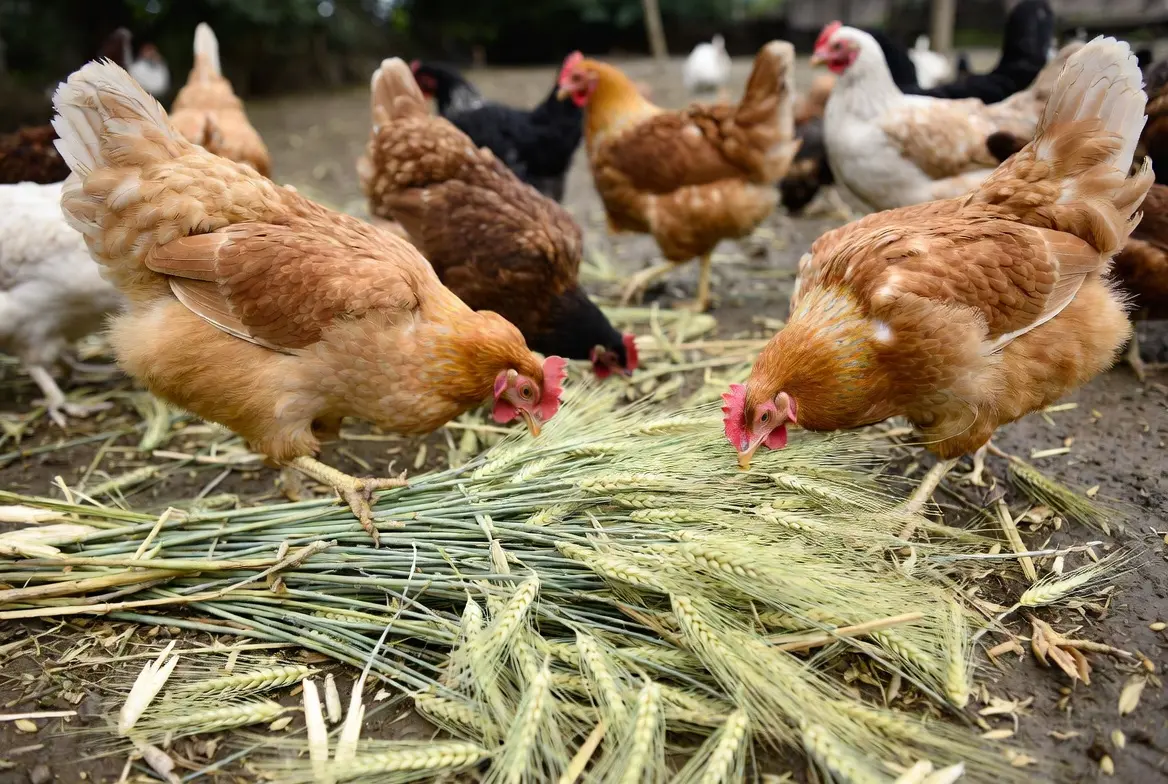
Barley can provide useful energy and variety when offered as part of a balanced feeding program. It should remain a supplemental ingredient rather than replacing complete poultry nutrition.
🐔 Feeding Barley to Chickens
Barley provides useful carbohydrates, moderate protein, vitamins, minerals, and dietary fiber, making it a valuable ingredient in many poultry feeding programs. However, its relatively high fiber content and naturally occurring beta-glucans make it somewhat different from grains like corn or wheat.
For backyard flocks, barley is generally best viewed as one component of a varied feeding strategy rather than the primary source of nutrition.
Best Practice
Offer barley alongside a complete poultry ration while introducing any homegrown grains gradually. Observe how readily the flock consumes the grain and avoid sudden dietary changes.
⚠️ Common Feeding Mistakes
| Mistake | Better Practice |
|---|---|
| Replacing complete feed entirely | Use barley as a supplement within a balanced diet. |
| Feeding moldy grain | Discard any grain showing mold or spoilage. |
| Using treated seed | Feed only untreated grain intended for feed or food use. |
| Making sudden feed changes | Introduce new feeds gradually. |
| Ignoring grit availability | Provide appropriate grit when feeding whole grains. |
🩺 Storage Problems to Watch For
Even after successful harvest, storage conditions continue affecting grain quality. Periodic inspections help prevent small issues from becoming major losses.
Mold
Usually caused by excess moisture.
Heating
Warm grain often indicates excessive moisture or biological activity.
Condensation
Temperature swings may create moisture inside containers.
Insects
Regular inspections help detect infestations early.
🦠 Diseases and Insect Pests During Storage
While most barley diseases occur in the field, poor storage conditions can allow molds and storage fungi to develop after harvest. Likewise, several insect species attack stored grain rather than growing plants.
| Problem | Prevention |
|---|---|
| Storage molds | Store only thoroughly dried grain in a cool, dry location. |
| Grain beetles | Inspect grain regularly and maintain clean storage areas. |
| Indian meal moths | Use tightly sealed containers and remove infested grain promptly. |
| Rodent contamination | Use rodent-proof containers and inspect frequently. |
❓ Frequently Asked Questions
Can chickens eat barley?
Yes. Clean, properly stored barley can be fed to chickens as part of a balanced feeding program. It may be offered whole, cracked, ground, soaked, or sprouted depending on the age of the birds and how it fits into the overall diet.
Can barley replace commercial chicken feed?
No. While barley supplies useful energy and moderate protein, it does not provide every nutrient chickens require. It should supplement—not replace—a nutritionally complete poultry ration.
Can chickens eat whole barley?
Healthy adult chickens can usually consume whole barley when appropriate insoluble grit is available. Young chicks and smaller birds often benefit from cracked or coarsely ground grain.
Is hulless barley better for chickens?
Hulless barley contains less fibrous hull material than traditional covered barley, making it somewhat easier to incorporate into poultry diets. Both types can be useful depending on local availability, yield, growing conditions, and the overall ration.
Can barley be sprouted for chickens?
Yes. Clean, untreated barley sprouts readily and can provide fresh green forage and enrichment when pasture is unavailable. Good sanitation, rinsing, drainage, airflow, and mold prevention are essential.
Can chickens eat barley grass?
Yes. Tender young barley forage may be grazed or cut and offered as supplemental green feed. Mature stems become increasingly fibrous, and early unrestricted grazing may prevent the crop from producing grain.
Does barley tolerate frost?
Established barley tolerates cool temperatures well, and adapted winter barley varieties may survive significant cold. Severe freezes can still damage poorly established plants, flowering heads, and developing grain.
Should barley be soaked before feeding?
Soaking is optional. Some backyard keepers soak barley to soften the kernels or reduce dust, but it must be handled hygienically. Discard uneaten soaked grain before it ferments, molds, develops an unusual odor, or otherwise begins to spoil.
How long does barley take to mature?
Maturity varies according to variety, planting season, weather, and local growing conditions. Spring barley reaches harvest during the same growing season, while winter barley is planted in fall, overwinters, and matures the following year.
Can barley be grown in raised beds?
Yes. Raised beds can provide excellent drainage and work well for small backyard barley plots when they receive full sun, adequate soil depth, and dependable moisture. The total grain harvest will still be limited by the available growing area.
What causes barley to fall over?
This is called lodging. It may result from excessive nitrogen, heavy grain heads, storms, overly dense stands, weak straw, or unsuitable varieties. Balanced fertility and locally adapted lodging-resistant varieties help reduce the risk.
Can I save barley seed for next year?
Yes. Healthy, mature, disease-free barley can be saved for future planting. Store planting seed separately from feed grain, label it with the variety and harvest year, and perform a germination test before planting older seed.
Can moldy barley be fed to chickens?
No. Barley that is moldy, musty, heated, unintentionally fermented, insect-damaged, or contaminated by rodents should not be fed to poultry.
Can barley be grown with other crops?
Yes. Barley is commonly rotated with legumes and vegetables and may also be included in forage or cover-crop mixtures. Companion crops should be chosen according to whether the goal is grain, forage, soil improvement, or seasonal ground cover.
Is barley worth growing for backyard flocks?
For many chicken keepers, yes. Barley is relatively easy to grow, stores well, sprouts readily, and can provide grain, tender forage, straw, bedding material, and crop diversity. Its value depends on available space, harvesting labor, storage capacity, and the intended role within the flock’s overall feeding program.
✅ Final Growing Checklist
- Select a barley variety adapted to your local climate.
- Purchase clean, high-quality untreated seed.
- Prepare a firm, well-drained seedbed.
- Plant during the recommended local planting window.
- Avoid excessive nitrogen fertilization.
- Maintain consistent soil moisture during establishment.
- Control weeds while they are still small.
- Watch for insects, diseases, lodging, and wildlife damage.
- Harvest when grain is fully mature.
- Dry grain thoroughly before storage.
- Clean and label every harvest.
- Store grain in cool, dry, rodent-proof containers.
- Inspect stored grain regularly.
- Feed barley gradually as part of a balanced ration.
- Discard spoiled or moldy grain immediately.
🌾 Is Barley Worth Growing?
For backyard chicken keepers, barley offers an impressive combination of versatility, reliability, and ease of production. Few feed crops provide as many uses from a single planting. Whether harvested for grain, grazed as young forage, sprouted during winter, or used as straw around the homestead, barley can become an important part of a diversified backyard feeding program.
Its greatest strengths are cool-season growth, dependable storage, rapid establishment, and flexibility. While barley should never replace a properly balanced poultry ration, it serves exceptionally well as a supplemental homegrown grain that complements legumes, leafy forage crops, insects, kitchen scraps, and complete commercial feed.
Our Final Recommendation
If you want to grow one cool-season grain for your flock, barley deserves serious consideration. It is productive, beginner-friendly, stores well, and integrates naturally into crop rotations. Combined with other homegrown feed crops, barley can help reduce purchased feed while increasing the sustainability and resilience of your backyard flock.
📚 Research Sources
This guide was developed using research from university extension publications, government resources, and sustainable agriculture organizations. Local growing conditions vary, so always consult your Cooperative Extension office for region-specific recommendations.
- North Dakota State University Extension — Barley Production
- University of Minnesota Extension — Small Grain Production
- Penn State Extension — Small Grain Management
- University of Idaho Extension — Spring Barley Production
- Oregon State University Extension — Small Grains
- USDA Agricultural Research Service (ARS)
- USDA PLANTS Database
- Sustainable Agriculture Research and Education (SARE)
🌱 Continue Exploring Chicken Feed Crops
No single crop supplies everything your chickens need. Explore additional feed crops to build a diverse, resilient, and productive backyard feeding system.