Growing Soybeans for Chickens
Soybeans are a warm-season legume capable of producing one of the most protein-rich crops available to backyard growers. They can improve crop rotations, support soil nitrogen fixation, produce valuable dry beans, and provide raw material for properly processed poultry-feed ingredients. This guide explains how to select a suitable variety, prepare and inoculate seed, plant and manage the crop, harvest and store mature beans, and understand the important processing requirements that apply before soybeans are used in chicken diets.
🌱 Soybeans at a Glance
Crop Type
Warm-season annual legume
Primary Chicken Use
Properly heat-processed protein ingredient rather than raw whole beans
Best Growing Season
Late spring through summer after frost danger has passed
Sunlight
Full sun
Soil Preference
Well-drained, moderately fertile soil
Water Needs
Moderate, with dependable moisture during flowering and pod filling
Harvest Options
Green pods, mature dry beans, seed for future planting, or crop residue
Difficulty Level
Moderate
📋 Crop Snapshot
| Scientific Name | Glycine max |
|---|---|
| Plant Family | Fabaceae |
| Plant Type | Warm-season annual legume |
| Growth Season | Warm season |
| Common Types | Grain soybeans, food-grade soybeans, edamame types, determinate varieties, and indeterminate varieties |
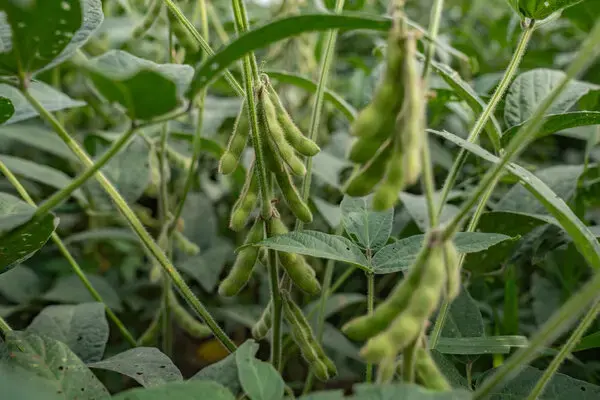
| Typical Growth Habit | Upright, branching plant that forms clusters of fuzzy seed pods |
| Preferred Exposure | Full sun |
| Preferred Soil | Well-drained loam or sandy loam with moderate fertility and minimal compaction |
| General Soil pH Preference | Slightly acidic to neutral soil, adjusted according to soil-test recommendations |
| Main Harvest | Mature dry soybeans |
| Additional Uses | Nitrogen fixation, crop rotation, green manure, garden edamame, seed saving, and organic matter |
| Main Poultry Limitation | Raw mature soybeans contain trypsin inhibitors and other antinutritional factors that require controlled heat processing before substantial poultry use |
| Storage Form | Clean, fully dried whole beans stored in a cool, dry, pest-resistant container |
Our Recommendation
Soybeans are worth growing when your goals include crop rotation, soil improvement, seed production, or learning how high-protein feed crops are produced. They are especially useful where warm summers provide enough time for pods to mature fully before frost.
However, soybeans require more caution than grains such as barley or field peas. Mature raw beans should not simply be harvested and poured into a chicken feeder. Their natural antinutritional compounds must be reduced through properly controlled processing, and the resulting ingredient must still be included within a nutritionally balanced ration.
⚡ Quick Facts About Soybeans
High-Protein Legume
Soybeans contain substantially more protein than most cereal grains, which is why processed soybean meal is widely used in poultry feed.
Warm-Season Growth
Soybeans require warm soil, frost-free conditions, and enough summer heat to flower, fill pods, and mature.
Nitrogen-Fixing Crop
When properly nodulated by compatible bacteria, soybean roots can obtain much of the plant’s nitrogen through biological fixation.
Sensitive to Early Competition
Weeds can reduce soybean growth and yield significantly before the crop develops a dense canopy.
Several Maturity Groups
Soybean varieties differ in the day length and growing season required to reach maturity, making regional adaptation especially important.
Determinate and Indeterminate Types
Some varieties stop most stem growth after flowering begins, while others continue growing and flowering for a longer period.
Pods Can Shatter
Overly dry mature pods may split open and release seed before or during harvest.
Raw Beans Require Processing
Mature soybeans naturally contain compounds that interfere with digestion and should not be treated like ordinary raw scratch grain.
📖 What You’ll Learn
This guide follows soybeans from variety selection through harvest, storage, and responsible poultry-feed use. It is written for backyard growers who want practical small-scale guidance while recognizing that soybean processing requires more precision than most homegrown feed crops.
Understanding Soybeans
Learn how grain, food-grade, edamame, determinate, indeterminate, and regional maturity types differ.
Choosing a Variety
Select soybeans according to climate, maturity group, intended harvest, disease resistance, and growing-season length.
Preparing the Growing Area
Evaluate sunlight, drainage, soil pH, fertility, compaction, weed pressure, and crop rotation.
Inoculating the Seed
Understand when soybean-specific inoculant may improve nodulation and biological nitrogen fixation.
Planting Soybeans
Learn about planting dates, soil temperature, seed depth, spacing, population, and establishment.
Managing the Crop
Control weeds, monitor moisture, protect flowers and pods, and recognize nutrient or nodulation problems.
Recognizing Maturity
Use leaf drop, pod color, seed firmness, and moisture condition to determine harvest readiness.
Harvesting and Shelling
Cut, dry, thresh, shell, clean, and handle soybeans using practical small-scale methods.
Storing Beans Safely
Protect dry soybeans from excess moisture, mold, insects, rodents, and temperature swings.
Understanding Feed Processing
Learn why raw mature soybeans are unsuitable as a major poultry-feed ingredient and why controlled heat treatment matters.
🌱 What Are Soybeans?
Soybeans (Glycine max) are warm-season annual legumes that have become one of the world's most important agricultural crops. They are grown primarily for their exceptionally high protein and oil content and serve as a major ingredient in livestock feeds, human foods, vegetable oils, biodiesel, and countless industrial products.
For backyard chicken keepers, soybeans are especially interesting because they produce far more protein than cereal grains such as corn, barley, oats, or wheat. Properly processed soybean products have become the standard protein source used in commercial poultry rations throughout much of the world.
Unlike cereal grains, soybeans belong to the legume family. Their roots form a partnership with beneficial Bradyrhizobium bacteria that capture nitrogen from the atmosphere and convert it into forms the plant can use. This natural process reduces fertilizer requirements while leaving behind nitrogen that benefits many crops grown afterward.
🌾 Why Grow Soybeans for Chickens?
Growing soybeans allows backyard chicken keepers to produce one of the highest-protein feed crops available while simultaneously improving garden soil through biological nitrogen fixation. Even if the harvested beans are never processed into poultry feed, the crop itself contributes valuable organic matter, supports crop rotation, and helps diversify the homestead.
Many gardeners also appreciate that soybeans serve multiple purposes. Immature pods can be harvested as fresh edamame for the kitchen, mature beans can be saved for future planting, and the remaining crop residue contributes organic matter after harvest.
Because soybeans require warm weather and a relatively long growing season, they are best suited for regions that provide sufficient frost-free days before autumn arrives.
Excellent Protein Crop
Soybeans produce some of the highest protein concentrations of any commonly grown annual feed crop.
Improves Soil Fertility
Nitrogen-fixing bacteria reduce the crop's dependence on nitrogen fertilizer while benefiting future crops.
Excellent Rotation Crop
Soybeans fit naturally into crop rotations with grains and many vegetable crops.
Multiple Harvest Uses
Grow soybeans for edamame, dry beans, seed saving, soil improvement, or future feed processing.
Stores Well
Properly dried soybeans remain viable for extended periods when protected from moisture and pests.
Supports Sustainable Feeding
Producing protein crops on-site can reduce dependence on purchased feed ingredients while improving overall farm resilience.
🌱 Understanding Soybean Growth Stages
Soybeans pass through two major phases during their life cycle: vegetative growth and reproductive development. Understanding these stages helps explain why irrigation, weed control, and weather conditions affect final yield differently throughout the season.
VE — Emergence
The seed germinates, breaks through the soil surface, and begins producing its first leaves.
Vegetative Growth (V Stages)
The plant develops additional leaves, branches, roots, and nitrogen-fixing nodules while preparing for flowering.
R1–R2 — Flowering
Small flowers begin appearing at the plant's nodes, marking the beginning of reproductive growth.
R3–R4 — Pod Development
Pods begin forming and expanding as the plant directs energy toward seed production.
R5–R6 — Seed Fill
Seeds enlarge rapidly inside the pods while requiring adequate moisture for maximum yield.
R7–R8 — Maturity
Leaves yellow and fall, pods turn brown, and the beans dry naturally before harvest.
🌾 Grain Soybeans vs. Edamame
Although both come from the same species, soybeans are often grown for very different purposes. Backyard gardeners should understand these differences before selecting seed.
Grain Soybeans
Grain soybeans remain on the plant until the beans mature and dry naturally inside brown pods. These varieties are typically grown for livestock feed, oil production, seed saving, and commercial soybean processing.
- Harvested after full maturity.
- High dry matter yield.
- Ideal for long-term storage.
- Most suitable for future processing into feed ingredients.
Edamame Soybeans
Edamame varieties are harvested while the pods are still green and the beans remain immature. They are grown primarily for fresh human consumption rather than livestock feed.
📅 Understanding Maturity Groups
Unlike many garden vegetables, soybean varieties are grouped according to maturity rather than simply being described as early or late. These maturity groups help growers select varieties that will flower and finish seed production within the available growing season.
Choosing the proper maturity group is one of the most important decisions you'll make before planting. A variety that matures too late may never finish before frost, while one that matures too early may not reach its yield potential.
Northern Regions
Require earlier maturity groups because frost arrives sooner.
Southern Regions
Can often utilize later-maturing varieties with longer growing seasons.
Local Recommendations
Extension recommendations provide the most reliable maturity group choices for your county or region.
🌿 Determinate vs. Indeterminate Soybeans
Soybean varieties also differ in how they grow after flowering begins.
Determinate Varieties
Determinate soybeans complete most stem growth before flowering and tend to mature more uniformly. Their concentrated maturity often simplifies harvesting.
Indeterminate Varieties
Indeterminate soybeans continue producing new stem growth while flowering and filling pods. This extended growth period may improve yield under favorable conditions but can produce a less uniform harvest.
| Growth Type | Characteristics |
|---|---|
| Determinate | More uniform maturity, concentrated harvest, shorter growth period. |
| Indeterminate | Continues growing during flowering, longer reproductive period, often greater adaptability. |
🐔 Are Soybeans a Good Choice for Backyard Chickens?
From a crop-production standpoint, soybeans are an outstanding choice. They improve soil, fit well into crop rotations, store well after drying, and produce one of the richest natural protein sources available to growers.
From a feeding standpoint, however, soybeans require more knowledge than nearly any other common backyard feed crop. Mature raw beans contain naturally occurring trypsin inhibitors and other antinutritional compounds that reduce protein digestion. Proper commercial processing carefully applies heat to deactivate these compounds while preserving protein quality.
For that reason, many backyard chicken keepers grow soybeans primarily for their agronomic value while continuing to purchase professionally processed soybean meal as the protein source in homemade feed formulations.
☀️ Choosing the Best Growing Location
Soybeans perform best in locations that receive abundant sunlight, have excellent drainage, and remain frost-free throughout the growing season. Because they are warm-season plants, soybeans benefit from steady summer temperatures and generally do not tolerate frost once growth has begun.
Unlike cool-season crops such as barley or field peas, soybeans rely on warm soils to establish quickly. Cold, wet planting sites often delay emergence, reduce stand establishment, and increase the risk of seedling diseases.
Sunlight
Provide at least 8 hours of direct sunlight each day for maximum flowering and pod production.
Warm Temperatures
Soybeans thrive during warm summer weather and should only be planted after frost danger has passed.
Excellent Drainage
Standing water greatly reduces root health and interferes with nitrogen fixation.
Good Airflow
Adequate spacing and air movement help reduce humidity-related diseases later in the season.
🌱 Soil Requirements
Soybeans grow well in many soil types but consistently perform best in fertile, well-drained loam or sandy loam soils. Heavy clay can produce excellent yields when drainage is adequate, while extremely sandy soils often require more frequent moisture management during flowering and pod fill.
Because soybean roots penetrate deeply, avoiding compacted soil layers helps improve drought tolerance and nutrient uptake throughout the season.
Ideal Soil Characteristics
- Well-drained soil with minimal standing water.
- Moderate organic matter.
- Loose soil that encourages deep rooting.
- Minimal compaction.
- Consistent moisture without prolonged saturation.
🧪 Soil pH
Soybeans generally perform best in slightly acidic to neutral soils. Proper soil pH improves nutrient availability while supporting the beneficial bacteria responsible for nitrogen fixation.
Testing your soil before planting allows you to determine whether lime or other amendments are needed well in advance of the growing season.
🦠 Seed Inoculation
Unlike cereal grains, soybeans benefit greatly from forming a relationship with specialized nitrogen-fixing bacteria known as Bradyrhizobium japonicum. These bacteria live within small nodules on the roots and convert atmospheric nitrogen into a form the plant can use.
If soybeans have never been grown in your garden—or have not been grown for many years—applying a soybean-specific inoculant before planting often improves nodulation and reduces the need for supplemental nitrogen fertilizer.
Previously Grown Soybeans
Existing bacterial populations may already be present.
New Garden
Applying inoculant is generally recommended.
Easy Application
Most inoculants are mixed directly with slightly damp seed before planting.
Improved Nitrogen Fixation
Successful nodulation supports vigorous growth while reducing fertilizer needs.
Backyard Chicken Planner Recommendation
Considering the low cost of soybean inoculant, it is usually worthwhile whenever you are uncertain whether compatible bacteria already exist in your soil.
💧 Drainage and Moisture
Soybeans tolerate short periods of dry weather surprisingly well after becoming established, but prolonged drought during flowering and pod development can significantly reduce yields.
The crop performs best when soil moisture remains relatively consistent without becoming waterlogged. Excess water is often more damaging than brief periods of moderate drought.
Critical Moisture Periods
- Seed germination
- Early establishment
- Flowering
- Pod formation
- Seed filling
🌾 Fertility Requirements
One of soybean's greatest advantages is its ability to produce much of its own nitrogen when properly nodulated. As a result, soybeans generally require much less supplemental nitrogen than cereal grains.
However, phosphorus, potassium, sulfur, and numerous micronutrients remain important for healthy growth and maximum yields. A soil test remains the best method for determining fertility needs.
| Nutrient | Primary Role |
|---|---|
| Nitrogen (N) | Usually supplied largely through biological nitrogen fixation after nodules become active. |
| Phosphorus (P) | Supports root development, flowering, and seed production. |
| Potassium (K) | Improves overall plant health, drought tolerance, and pod development. |
| Sulfur (S) | Supports protein formation where deficiencies occur. |
🔄 Crop Rotation
Soybeans fit exceptionally well into crop rotations because they interrupt disease cycles common to cereal grains while contributing nitrogen to future crops.
Many growers alternate soybeans with corn, barley, wheat, oats, vegetables, or cover crops to improve soil health and reduce recurring pest problems.
Excellent Rotation Partner
Corn, barley, wheat, oats, and many vegetables benefit from following soybeans.
Disease Reduction
Rotating crops limits many soilborne diseases and insect populations.
Improved Soil Health
Organic matter, biological activity, and nutrient cycling improve over time.
🤝 Companion Crops
Soybeans are usually grown alone for maximum grain production, but they may also fit into diversified gardens alongside crops that benefit from different nutrient demands or harvest schedules.
While soybeans themselves fix nitrogen for their own use during the growing season, much of the remaining nitrogen becomes available only after crop residue decomposes.
| Companion Crop | Potential Benefit |
|---|---|
| Sweet Corn | Common crop rotation partner with different nutrient demands. |
| Winter Barley | Excellent following crop that benefits from improved soil fertility. |
| Field Peas | Useful in broader legume rotation planning. |
| Cover Crops | Improve soil protection after soybean harvest. |
🌿 Choosing the Right Soybean Variety
Selecting the proper variety begins with your local climate. Because soybeans respond strongly to day length and growing-season length, choosing a variety adapted to your region is more important than selecting one solely because it produces large yields elsewhere.
When comparing varieties, consider maturity group, disease resistance, lodging resistance, intended use, and whether you plan to harvest dry grain, edamame, or seed for future planting.
Regional Adaptation
Always choose maturity groups recommended for your geographic area.
Disease Resistance
Resistant varieties reduce future management problems.
Lodging Resistance
Strong stems simplify harvesting and reduce weather losses.
Harvest Goal
Choose varieties based on whether you want edamame, grain production, or seed saving.
Recommendation for Backyard Chicken Keepers
Purchase certified seed of a locally adapted grain soybean variety whenever possible. Certified seed offers dependable germination, known genetics, and reduced risk of introducing seedborne diseases into your garden. Combined with proper inoculation and good crop rotation, a well-adapted variety provides the foundation for a healthy, productive soybean crop.
🌱 Choosing Quality Seed
High-quality seed is one of the most important factors influencing soybean production. Healthy seed produces stronger seedlings, more uniform emergence, improved disease resistance, and better yields throughout the growing season.
Whenever possible, purchase certified soybean seed from a reputable supplier. Certified seed has typically been tested for germination, varietal purity, and common seedborne diseases, giving backyard growers confidence that the crop will perform as expected.
Certified Seed
Provides known varieties with dependable germination and consistent performance.
Clean Seed
Contains minimal weed seed, broken beans, foreign material, or insect damage.
Healthy Seed
Avoid cracked, moldy, shriveled, or damaged beans whenever possible.
Uniform Size
Produces more even emergence and stand establishment.
🧪 Treated vs. Untreated Seed
Many commercial soybean seeds are treated with fungicides or insecticides to improve seedling survival. While these treatments can help establish the crop, treated seed should never be fed to chickens or other livestock.
If purchasing untreated seed, store it separately from treated seed to prevent accidental mixing.
📅 When to Plant Soybeans
Soybeans should be planted only after the danger of frost has passed and the soil has warmed sufficiently for rapid germination. Cold soils slow emergence and increase the likelihood of seedling diseases.
Rather than planting on the earliest possible calendar date, wait until both air and soil temperatures consistently favor rapid growth.
- Plant after all danger of frost.
- Avoid cold, saturated soil.
- Allow the soil to warm naturally during spring.
- Plant early enough to mature before autumn frost.
🌡️ Soil Temperature
Soybeans germinate best in warm soil. Planting into cold ground often results in slow emergence, poor stands, and increased disease pressure.
Waiting for favorable soil temperatures usually produces healthier plants than planting too early simply to gain a few extra days of growth.
📏 Planting Depth
Proper planting depth allows seedlings to emerge quickly while maintaining adequate moisture around the seed. Soybeans planted too shallow may dry out before germinating, while beans planted too deeply often emerge slowly and unevenly.
| Soil Condition | General Recommendation |
|---|---|
| Average garden soils | Plant shallow enough for rapid emergence while maintaining good moisture contact. |
| Sandy soils | Slightly deeper planting may improve moisture availability. |
| Heavy clay soils | Avoid excessive planting depth that may delay emergence. |
📐 Row Spacing
Soybeans can be grown successfully under a wide range of row spacings. Backyard gardeners often choose spacing that balances weed control with efficient use of garden space.
Closer rows typically shade weeds sooner, while wider rows allow easier cultivation and hand weeding.
Closer Rows
Provide faster canopy closure and better natural weed suppression.
Wider Rows
Allow easier cultivation, inspection, and harvesting.
Garden Beds
Raised beds and traditional rows both work well provided plants receive full sunlight.
🌱 Plant Population
Uniform spacing is generally more important than maximizing the number of plants. Overcrowded soybeans compete for sunlight, moisture, and nutrients, while stands that are too thin allow weeds to become established.
Follow the spacing recommendations supplied for your selected variety whenever possible.
🚜 Planting Methods
Traditional Garden Rows
Rows remain the most common planting method because they simplify cultivation, irrigation, and harvest.
Raised Beds
Raised beds provide excellent drainage and warm more quickly during spring, often improving emergence.
Small Homestead Plots
Larger backyard plots may be planted using small seeders or precision garden planters when available.
💦 Watering After Planting
Maintain consistent soil moisture during germination without allowing the soil to remain saturated. Once soybeans establish healthy root systems, they generally become fairly drought tolerant until flowering begins.
Deep, infrequent irrigation encourages stronger roots than frequent shallow watering.
🌱 Germination and Emergence
Healthy soybean seedlings normally emerge quickly under warm conditions. The thick cotyledons rise above the soil surface before the first true leaves begin developing.
Once established, the plants begin producing additional leaves while beneficial bacteria colonize the developing root nodules.
🛠️ Troubleshooting Poor Emergence
Uneven stands should be investigated before deciding to replant. Dig several seeds from different parts of the planting to determine whether poor emergence resulted from disease, insects, planting depth, cold soils, or insufficient moisture.
| Problem | Possible Cause |
|---|---|
| Poor germination | Cold soil, poor-quality seed, planting too deep, or inadequate moisture. |
| Rotting seed | Cold, wet soils and seedling diseases. |
| Missing seedlings | Birds, rodents, insects, or poor seed quality. |
| Uneven emergence | Variable planting depth or inconsistent soil moisture. |
| Yellow seedlings | Poor drainage, nutrient deficiency, or inactive root nodules. |
🐔 Keeping Chickens Out of the Crop
Young soybean seedlings are highly attractive to chickens. Birds scratching through freshly planted rows can expose seed, while grazing tender plants may completely destroy the crop before pod production begins.
Temporary fencing is the simplest way to protect soybeans until harvest is complete.
🌱 Early Season Crop Care
The first several weeks after emergence are some of the most important in soybean production. During this time the plants establish their root systems, develop nitrogen-fixing nodules, produce additional leaves, and begin building the canopy that will support flowering and pod production later in the season.
Healthy soybeans require relatively little maintenance once established, but regular scouting allows problems to be corrected before they significantly reduce yield.
Early Season Priorities
- Maintain consistent soil moisture without waterlogging.
- Control weeds before they become established.
- Inspect plants weekly for insects and disease.
- Watch for healthy root nodules.
- Avoid unnecessary traffic through wet fields.
💧 Irrigation Throughout the Season
Soybeans become fairly drought tolerant once their roots are established, but they still require adequate moisture during flowering, pod development, and seed fill. Water stress during these reproductive stages often reduces the number of pods and the size of the harvested beans.
Deep watering encourages roots to grow downward, helping plants better withstand short periods of dry weather.
| Growth Stage | Importance of Moisture |
|---|---|
| Emergence | Critical for uniform stand establishment. |
| Vegetative Growth | Supports healthy leaf and root development. |
| Flowering | Moisture shortages may reduce flower retention. |
| Pod Development | Essential for maximizing pod numbers. |
| Seed Fill | Critical for producing full-sized, high-quality beans. |
🌿 Weed Management
Soybeans compete poorly with weeds during the first several weeks after emergence. Once the canopy closes, however, healthy plants naturally shade many annual weeds and reduce additional competition.
Backyard gardeners usually achieve excellent results with shallow cultivation and hand weeding performed before weeds become well established.
Start Clean
Prepare a weed-free seedbed before planting.
Early Cultivation
Control weeds while they remain small and easy to remove.
Healthy Canopy
Dense soybean foliage naturally shades many later-emerging weeds.
Avoid Deep Cultivation
Shallow cultivation reduces root disturbance and protects nitrogen-fixing nodules.
🦠 Monitoring Root Nodules
Unlike most crops, soybeans provide growers with a visible way to evaluate biological nitrogen fixation. Carefully digging several plants during early vegetative growth allows you to examine the nodules attached to the roots.
Healthy active nodules are usually pink or reddish inside because of compounds involved in nitrogen fixation. Small white nodules may simply be immature, while plants lacking nodules altogether may not be fixing nitrogen effectively.
🌸 Flowering
Flowering marks the beginning of soybean reproduction. Small blossoms appear at the plant's nodes and eventually develop into pods containing one or more beans.
Although soybeans often produce more flowers than they ultimately retain, healthy plants normally shed some blossoms naturally while directing resources toward the strongest developing pods.
🫛 Pod Development
Following successful pollination, soybean pods begin expanding while seeds develop inside. During this period the crop requires adequate moisture and healthy foliage to maximize production.
Each pod may contain one to several beans depending on the variety and growing conditions.
🌾 Seed Filling
As the growing season progresses, beans enlarge rapidly within the pods while accumulating protein, oil, and carbohydrates. This stage largely determines final seed weight and overall harvest quality.
Water stress during seed filling often produces smaller beans and reduced yields.
🍂 Recognizing Nutrient Deficiencies
Although soybeans can supply much of their own nitrogen after nodulation, deficiencies of other nutrients occasionally develop. Many symptoms resemble disease or environmental stress, making soil testing the most reliable diagnostic tool.
| Symptom | Possible Cause |
|---|---|
| General yellowing | Nitrogen fixation problems, poor drainage, or nutrient deficiency. |
| Purple leaves | Possible phosphorus deficiency. |
| Leaf edge burn | Possible potassium deficiency or drought stress. |
| Stunted plants | Poor nodulation, compaction, drought, or nutrient imbalance. |
| Few root nodules | Missing or ineffective inoculation. |
🦌 Wildlife Protection
Soybeans attract wildlife throughout nearly every stage of growth. Deer commonly browse tender foliage, rabbits clip young seedlings, and numerous birds and small mammals feed on mature pods before harvest.
Temporary fencing, repellents, and bird netting over small plantings may greatly reduce losses in backyard gardens.
🌦️ Weather Challenges
Soybeans depend on a reasonably long frost-free growing season. While they tolerate hot summer weather well, prolonged drought, hail, flooding, or an early autumn frost may reduce yields.
| Weather Event | Possible Effect |
|---|---|
| Late spring frost | Can severely damage newly emerged seedlings. |
| Heavy rain | May reduce oxygen around roots and increase disease. |
| Extended drought | Reduces flowering, pod set, and bean size. |
| High temperatures | May reduce flower retention if accompanied by drought. |
| Early autumn frost | May stop bean development before maturity. |
🩺 Common Diseases
Most backyard soybean crops remain healthy when grown in well-drained soil and rotated regularly. However, several fungal, bacterial, and viral diseases occasionally develop under favorable conditions.
Sudden Death Syndrome
A soilborne disease that causes leaf yellowing, browning, and premature plant decline.
Frogeye Leaf Spot
Produces circular lesions on leaves that reduce photosynthesis.
White Mold
Develops during cool, humid conditions where dense canopies remain wet.
Phytophthora Root Rot
Most common in poorly drained soils following prolonged wet weather.
🐛 Common Insect Pests
Regular scouting allows insect problems to be detected before significant yield losses occur. Fortunately, many backyard soybean plantings experience only minor insect damage during most growing seasons.
| Pest | Potential Damage |
|---|---|
| Soybean Aphids | Remove plant sap and may transmit viruses. |
| Bean Leaf Beetles | Feed on leaves and pods. |
| Japanese Beetles | Skeletonize leaves during heavy infestations. |
| Stink Bugs | Pierce developing pods and damage beans. |
| Grasshoppers | Consume leaves during hot, dry summers. |
Walk through the planting regularly and inspect both leaves and developing pods. Early detection usually allows problems to be managed before significant crop loss occurs.
🌾 Knowing When Soybeans Are Ready to Harvest
Harvest timing has a significant impact on both yield and bean quality. Harvest too early and the beans contain excessive moisture, making them difficult to store safely. Harvest too late and overly dry pods may shatter, allowing beans to fall to the ground before they can be collected.
Most backyard growers allow soybeans to mature naturally on the plant until the leaves have dropped and the pods have turned tan to brown. At this stage, the beans have reached physiological maturity and are continuing to dry toward safe storage moisture.
Leaves Have Dropped
Most or all leaves have naturally fallen from the plant.
Brown Pods
Pods change from green to tan or brown as they dry.
Firm Beans
Seeds become hard and no longer dent easily with a fingernail.
Dry Stems
Plants become dry and brittle as harvest approaches.
✂️ Harvesting Soybeans
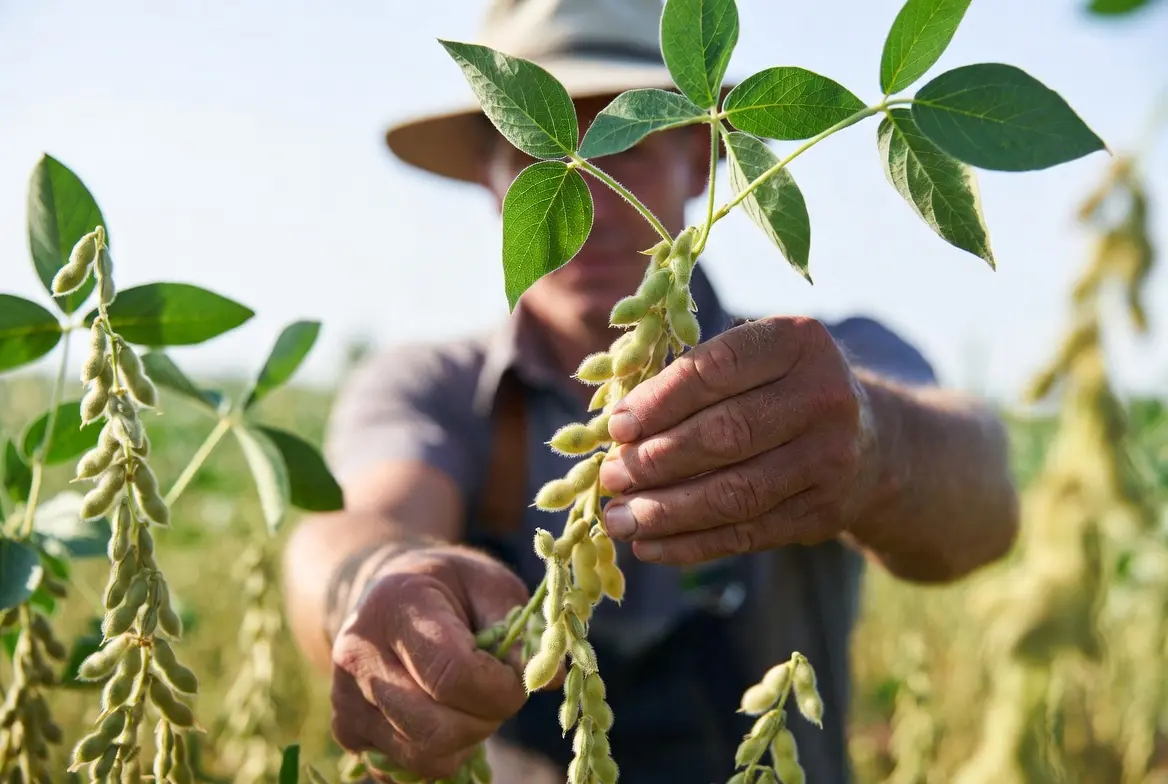
Harvesting soybeans at the correct maturity stage is essential for good storage quality. Backyard growers typically wait until leaves have dropped, pods have dried, and the beans have hardened before cutting, threshing, cleaning, and preparing the crop for storage or further processing.
Small backyard soybean plots are usually harvested by hand. Entire plants may be cut at the base or pulled from loose soil before being placed on a tarp or drying rack to finish curing.
Harvest during dry weather whenever possible. Wet plants require additional drying time and increase the risk of mold during storage.
☀️ Drying the Plants
After harvest, the plants should continue drying in a well-ventilated, covered location protected from rain. Good airflow helps remove excess moisture while reducing the risk of mold.
Depending on weather conditions, drying may take several days to several weeks.
🫘 Removing the Beans (Threshing)
Once the pods are fully dry, the beans can be separated from the plants through threshing. Backyard growers often use simple hand methods that work well for small harvests.
Hand Shelling
Dry pods can often be opened by hand for very small harvests.
Tarp Method
Plants may be gently beaten inside a clean tarp or large bag to release the beans.
Foot Threshing
Walking carefully on dry plants spread over a tarp can loosen many pods.
Small Mechanical Threshers
Useful for larger homestead plantings where available.
Regardless of the method used, avoid excessive force that may crack or damage the beans.
🌬️ Cleaning the Harvest
After threshing, the harvested beans usually contain pieces of pods, stems, leaves, dust, and other debris. Cleaning improves storage quality and reduces the likelihood of mold or insect problems.
Many backyard growers clean soybeans by pouring them slowly between containers while allowing a light breeze or fan to carry away lighter material. This traditional process is known as winnowing.
| Material | Action |
|---|---|
| Whole healthy beans | Keep for storage or seed. |
| Broken beans | Use first or discard if moldy. |
| Pods and stems | Compost or use as mulch. |
| Dust and chaff | Remove before storage. |
📦 Storing Dry Soybeans
Proper storage preserves bean quality while preventing losses from insects, rodents, and moisture. Only fully dried soybeans should be placed into long-term storage.
- Store in airtight containers whenever practical.
- Keep beans cool and dry.
- Protect from rodents.
- Inspect periodically for insects or mold.
- Label each container with the harvest year and variety.
🌱 Saving Seed for Next Season
Soybeans are one of the easier annual crops for gardeners to save as seed. Select healthy plants that showed strong vigor, good pod production, and freedom from disease throughout the season.
Store seed separately from beans intended for other uses and clearly label each variety to avoid confusion during next year's planting.
🐔 Soybeans and Chickens
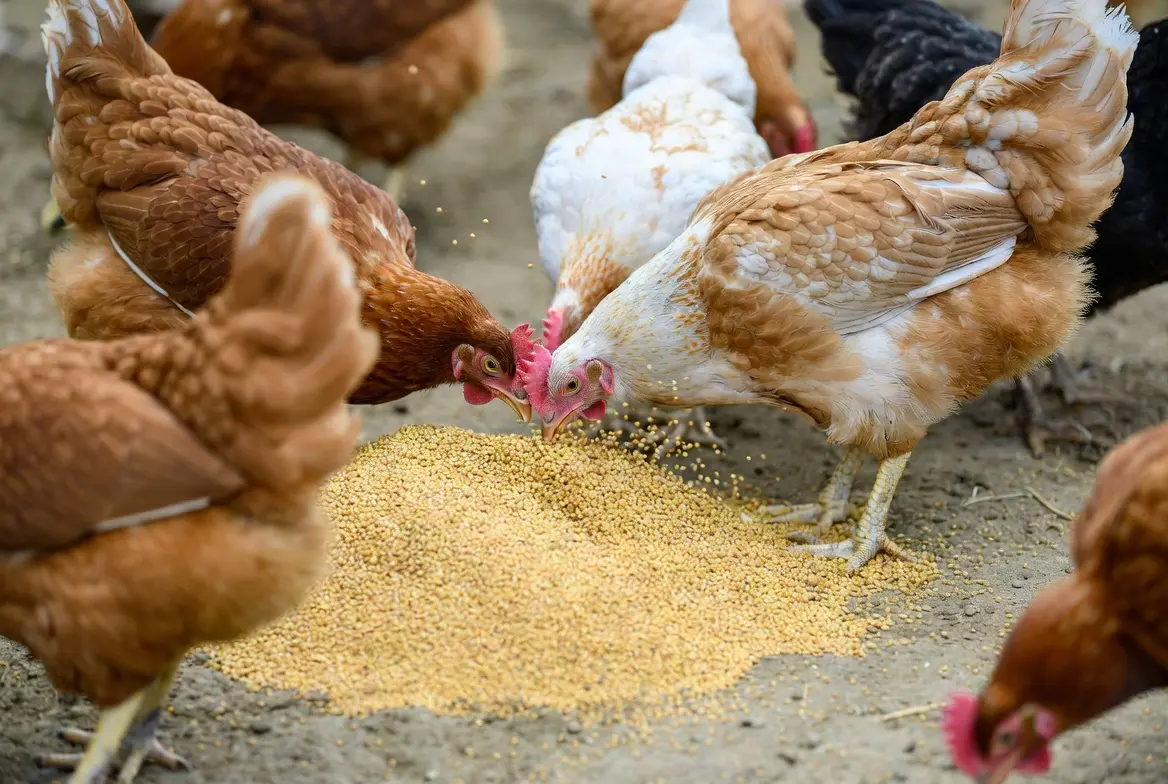
Soybeans are an excellent crop for backyard growers because they produce one of the highest-protein seeds available while also improving soil through nitrogen fixation. However, mature raw soybeans require special consideration because they contain natural antinutritional compounds that must be reduced through proper processing before they are used as a significant poultry-feed ingredient.
🐔 Can Chickens Eat Freshly Harvested Soybeans?
This is one of the most common questions backyard chicken keepers ask—and one of the most important to answer correctly.
Unlike barley, wheat, oats, peas, sunflower seed, or many other feed crops, mature raw soybeans should not simply be harvested and fed directly to chickens as a significant part of their diet.
Raw soybeans naturally contain several heat-sensitive antinutritional compounds, including trypsin inhibitors, that interfere with protein digestion and can reduce growth and feed efficiency if consumed in substantial amounts. Commercial poultry feeds avoid this problem by using soybean meal or full-fat soy products that have been processed under carefully controlled conditions to reduce these compounds.
🔥 Why Processing Matters
Proper heat treatment is not simply a cooking step—it is a carefully controlled process that balances food safety with nutritional quality. Too little heat leaves harmful antinutritional compounds active, while excessive heat can damage valuable amino acids and reduce the nutritional value of the protein.
Commercial feed manufacturers use specialized equipment that carefully monitors temperature, moisture, and processing time to produce consistent, safe soybean meal.
For most backyard flock owners, growing soybeans provides excellent soil-building benefits and produces a valuable crop, while commercially processed soybean meal remains the safest and most practical protein ingredient for balanced homemade poultry rations.
Our Recommendation
Grow soybeans confidently for crop rotation, nitrogen fixation, seed production, and homestead resilience. When formulating chicken feed, rely on professionally processed soybean products unless you have the knowledge and equipment necessary to process soybeans safely and consistently.
📋 Harvest Checklist
❓ Frequently Asked Questions
Can chickens eat raw soybeans?
No. Mature raw soybeans naturally contain trypsin inhibitors and other antinutritional compounds that interfere with protein digestion. Commercial soybean meal is heat processed under carefully controlled conditions to deactivate these compounds before it is included in poultry feed.
Can chickens eat cooked soybeans?
Heat treatment can reduce naturally occurring antinutritional compounds, but proper soybean processing requires careful control of temperature, moisture, and time. Overheating reduces protein quality while underheating leaves harmful compounds active. For most backyard flock owners, professionally processed soybean meal remains the safest and most dependable choice.
Why is soybean meal used in almost every commercial chicken feed?
Soybean meal provides an excellent balance of digestible protein and amino acids after proper processing. Its consistency, availability, and nutritional value have made it one of the most widely used protein ingredients in poultry nutrition worldwide.
Do soybeans need fertilizer?
Soybeans generally require much less nitrogen fertilizer than cereal grains because properly nodulated plants produce much of their own nitrogen through biological nitrogen fixation. Phosphorus, potassium, sulfur, and micronutrients should still be managed according to soil-test recommendations.
Should I inoculate soybean seed before planting?
If soybeans have not been grown in your soil recently, applying a soybean-specific inoculant is usually recommended. The beneficial bacteria improve root nodulation and help supply much of the plant's nitrogen needs throughout the growing season.
How long do soybeans take to mature?
The growing season varies depending on the variety, maturity group, and local climate. Selecting a variety adapted to your region helps ensure the crop reaches maturity before the first autumn frost.
Can I grow soybeans in raised beds?
Yes. Raised beds provide excellent drainage, warm quickly in spring, and work well for small backyard soybean plantings provided the plants receive full sunlight throughout the day.
Will soybeans improve my garden soil?
Yes. Soybeans contribute organic matter after harvest and, when properly nodulated, fix atmospheric nitrogen that can benefit crops planted later in the rotation.
Can I save soybean seed from my own harvest?
Absolutely. Select healthy, disease-free plants that produced well during the season. Store fully dried seed in cool, dry conditions and clearly label each variety for future planting.
What animals commonly damage soybean plants?
Deer, rabbits, groundhogs, birds, mice, squirrels, and insects may all feed on soybean plants or developing pods. Temporary fencing and regular scouting help reduce losses in small backyard plantings.
Can soybeans be grown with other crops?
Soybeans are usually grown by themselves for maximum production, but they fit extremely well into crop rotations with grains, vegetables, and cover crops because they help improve overall soil fertility.
What is the biggest mistake new soybean growers make?
The two most common mistakes are planting into cold spring soil and assuming harvested raw soybeans can simply be fed directly to chickens. Waiting for warm planting conditions and understanding proper soybean processing are essential for success.
📚 Sources & References
This guide was developed using research and recommendations from agricultural universities, government agencies, and recognized crop-production organizations, including:
- USDA Agricultural Research Service (ARS)
- USDA Natural Resources Conservation Service (NRCS)
- Sustainable Agriculture Research and Education (SARE)
- University of Illinois Extension
- Iowa State University Extension and Outreach
- Purdue University Extension
- University of Kentucky Cooperative Extension
- Penn State Extension
- University of Missouri Extension
- North Carolina State Extension
- The Soybean Research & Information Network
- Nutrient Requirements of Poultry (National Research Council)